


What's Happening?
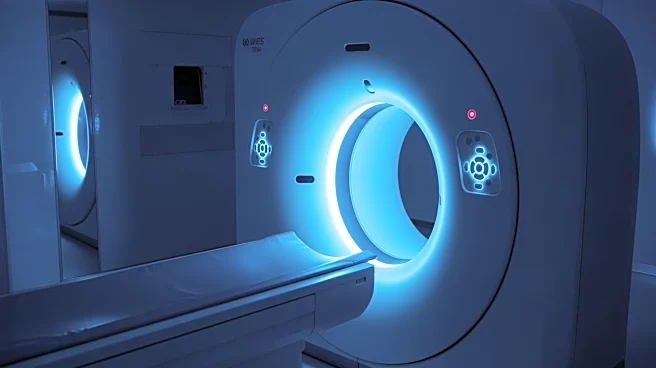
Shira Boehler, a Nashville mother of four, discovered she had lung cancer following a preventative full-body MRI scan. Despite having no symptoms and leading an active lifestyle, the scan revealed a 1.5-inch spot on her lungs. Initially dismissed as non-concerning,
further investigation led to a Stage 1B lung cancer diagnosis. Boehler underwent successful surgery to remove the tumor, highlighting the importance of early detection. Her experience underscores the potential life-saving benefits of preventative health screenings, even for those without traditional risk factors like smoking.
Why It's Important?
Boehler's case illustrates the critical role of early detection in cancer treatment outcomes. Lung cancer is the leading cause of cancer deaths in the U.S., often diagnosed at advanced stages due to a lack of early symptoms. Her story emphasizes the need for increased awareness and accessibility of preventative screenings, which can significantly improve survival rates. It also challenges the misconception that lung cancer primarily affects smokers, highlighting the disease's broader risk factors. This could influence public health policies to promote more widespread screening programs.
What's Next?
Following her diagnosis and recovery, Boehler has become an advocate for lung cancer awareness and early detection. She plans to publish a book, 'One Scan Saved My Life,' to share her story and promote the importance of screenings. Proceeds will support her foundation, cancerdoesntcare, aimed at increasing access to lung cancer screenings and research. Her advocacy efforts may inspire similar initiatives, potentially leading to policy changes that improve screening accessibility and public education on lung cancer risks.
Beyond the Headlines
Boehler's experience highlights disparities in healthcare access, as not everyone can afford preventative scans without symptoms. Her story may prompt discussions on healthcare equity and the need for insurance coverage of preventative measures. Additionally, it raises awareness about non-smoking-related lung cancer causes, potentially influencing research priorities and funding. Her advocacy could lead to a cultural shift in how lung cancer is perceived and addressed, emphasizing the importance of early detection for all individuals.