




What's Happening?
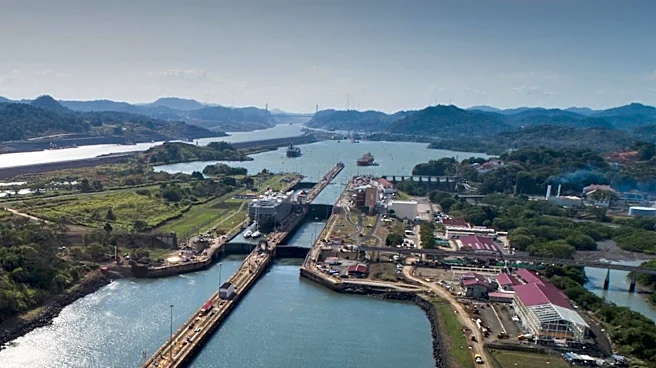
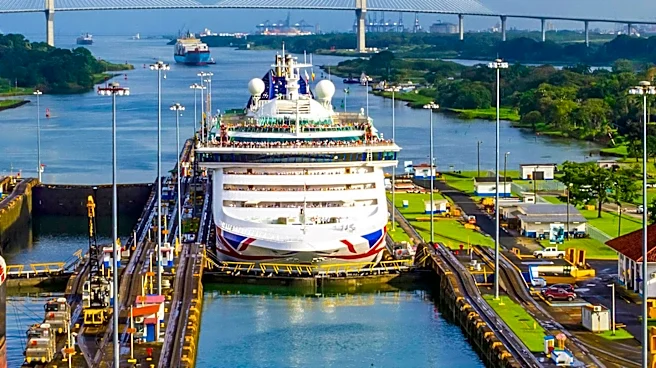
The Panama Canal Authority (ACP) is implementing significant reductions in the number of vessels allowed to transit the Panama Canal due to a severe drought exacerbated by El Niño. Starting September 3, the daily limit will decrease from 36 to 34 ships,
with a further reduction to 32 vessels per day effective September 15. This decision is a direct response to critically low water levels in the artificial lakes that supply the canal's lock system. The ACP has stated that these measures are necessary to maintain service reliability and, crucially, to safeguard water resources for human consumption in Panama. This year's El Niño is anticipated to be particularly strong, with its effects intensified by climate change, leading to widespread disruptions in weather patterns. The canal, a vital artery for global trade, handles approximately 14,000 ships annually and is a significant source of income for Panama, generating around $3 billion per year.
Why It's Important?
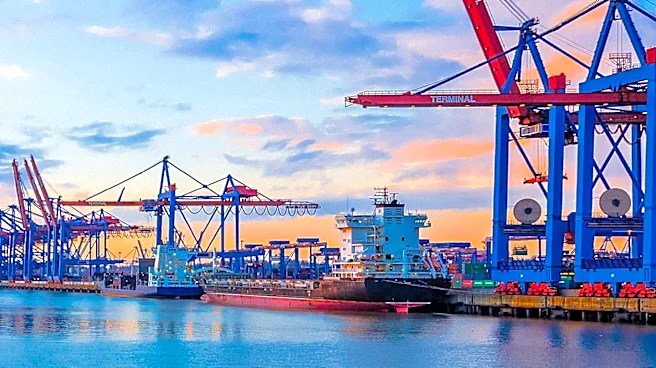
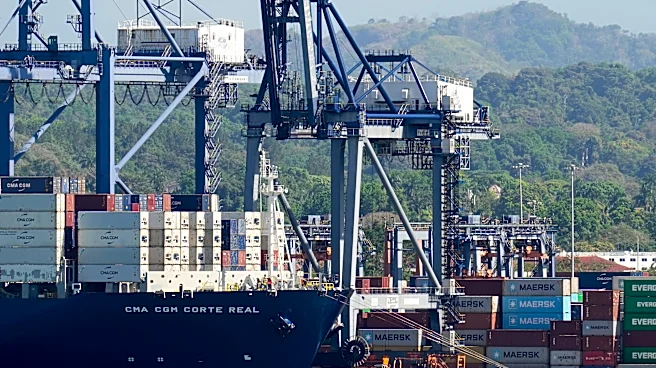
The Panama Canal is a critical chokepoint for global maritime trade, facilitating about 5% of worldwide shipping and approximately 40% of U.S. container traffic. The reduction in daily transits will inevitably lead to increased shipping costs and longer transit times for goods moving between the Atlantic and Pacific oceans. U.S. businesses, particularly those relying on efficient supply chains for imports and exports, will likely face higher freight rates and potential delays. This situation could impact consumer prices and the availability of various products. The measures highlight the growing vulnerability of global trade infrastructure to climate-related events, underscoring the economic ramifications of environmental changes. The decision also emphasizes the dual challenge faced by the ACP: maintaining commercial operations while ensuring water security for the local population, a dilemma that could become more frequent with intensifying climate patterns.
What's Next?
The phased reduction in ship transits will begin on September 3, with the full impact of the 32-vessel limit taking effect on September 15. Shipping companies will need to adjust their schedules and potentially seek alternative, longer routes, which will incur additional fuel costs and extend delivery times. The ACP will continue to monitor water levels and rainfall patterns, especially as the rainy season progresses in Central America, to determine if further adjustments to transit limits are necessary. The long-term sustainability of the canal's operations will depend on future rainfall and the effectiveness of water conservation measures. Stakeholders in the global shipping industry and U.S. businesses will closely watch developments, as prolonged restrictions could necessitate significant re-evaluation of supply chain strategies and logistics.
Beyond the Headlines
This situation in the Panama Canal underscores the broader implications of climate change on critical global infrastructure and economic stability. The reliance on artificial lakes for the canal's operation makes it particularly susceptible to drought conditions, illustrating how environmental factors can directly disrupt international commerce. Beyond the immediate economic impact, the need to prioritize water for human consumption over commercial transit highlights a growing ethical and resource allocation challenge in regions affected by climate change. The event also serves as a stark reminder of the interconnectedness of global systems, where a localized environmental phenomenon can trigger ripple effects across international supply chains, affecting industries and consumers worldwide. It prompts deeper consideration of resilient infrastructure development and sustainable water management practices in the face of an unpredictable climate.