





What's Happening?
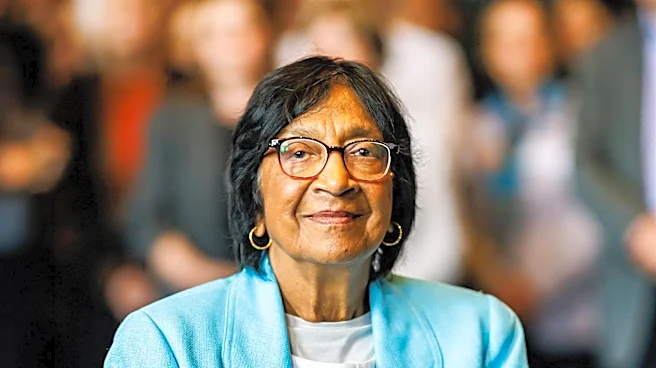
Mother Dolores Clara Fernández Huerta, a prominent figure in the farmworker movement, is being honored for her lasting impact and trailblazing efforts. She co-founded the National Farm Workers Association with César Chávez and Gilbert Padilla, which later
became the United Farm Workers. Her work was instrumental during the 1965 Delano grape strike, where she helped lead boycott efforts and negotiations with grape growers. Fernández Huerta is also recognized for popularizing the movement cry, “Sí, se puede” (“Yes, we can”), which has resonated far beyond the farmworker movement into broader national consciousness. Her dedication to social justice and her ability to inspire others continue to be celebrated.
Why It's Important?
Mother Dolores Clara Fernández Huerta's contributions are significant for their profound impact on labor rights and social justice in the United States. Her leadership in the farmworker movement helped secure better working conditions and fair wages for agricultural laborers, many of whom were marginalized and exploited. The phrase “Sí, se puede” became an iconic rallying cry, symbolizing hope and empowerment for various social movements across the nation. Her work highlighted the power of collective action and non-violent resistance in achieving systemic change. Her legacy continues to inspire activists and advocates, demonstrating the enduring importance of fighting for the dignity and rights of all workers, particularly those in vulnerable communities.
Beyond the Headlines
The recognition of Mother Dolores Clara Fernández Huerta extends beyond her direct activism, touching upon broader themes of civil rights, cultural identity, and the power of language. Her work as a Latina leader in a predominantly male-dominated era paved the way for future generations of women and minority activists. The enduring resonance of “Sí, se puede” underscores how a simple phrase can become a powerful symbol of resilience and collective aspiration, influencing political campaigns and social justice initiatives. Her story also serves as a reminder of the ongoing struggles for equity and the importance of historical memory in shaping contemporary movements for change.