


What's Happening?
The National Weather Service (NWS) has issued multiple winter weather advisories across the Northern Rockies and Pacific Northwest, specifically targeting parts of Montana and Washington. These advisories warn of a late-season winter storm expected to bring
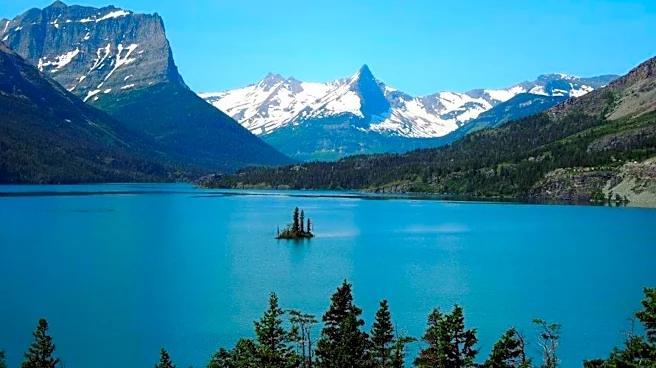
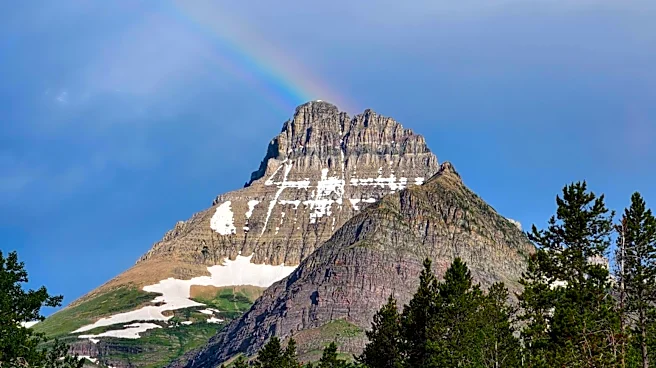
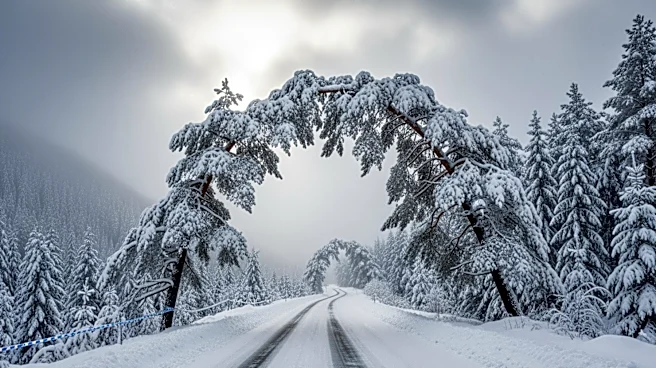
significant snowfall and hazardous conditions. In Montana, areas such as the Gallatin and Madison County Mountains, the Centennial Mountains, and portions of Glacier National Park are forecasted to receive between 3 to 7 inches of snow, with wind gusts up to 40 mph. This weather event is expected to create slick roads and dangerous backcountry conditions, particularly affecting mountain passes like Targhee Pass and Raynolds Pass. Similarly, in Washington, the Cascades and Olympic Mountains are under advisories, with snow accumulations of 4 to 6 inches anticipated above 4,000 feet. The advisories highlight the potential for travel disruptions and increased risk of hypothermia due to cold, wet, and breezy conditions.
Why It's Important?
The late-season snowstorm poses significant risks to travel and safety in the affected regions. As spring travel and tourism begin to increase, the unexpected return to winter-like conditions could catch many off guard, leading to travel disruptions and potential emergencies. The storm's timing, coinciding with the transition to warmer weather, means that many travelers and outdoor enthusiasts may not be adequately prepared for the sudden cold and snow. This could result in increased incidents of hypothermia and other cold-related emergencies. Additionally, the storm could impact local economies reliant on spring tourism, as visitors may cancel or alter travel plans due to the adverse weather conditions.
What's Next?
Residents and visitors in the affected areas are advised to monitor weather forecasts closely and prepare for winter conditions. Travelers should check road conditions and consider delaying travel if possible. Those venturing into the backcountry are urged to carry appropriate gear, including waterproof layers and emergency supplies, to mitigate the risks posed by the storm. Authorities will likely continue to update advisories as the storm progresses, and further disruptions to travel and outdoor activities are anticipated.