

What's Happening?
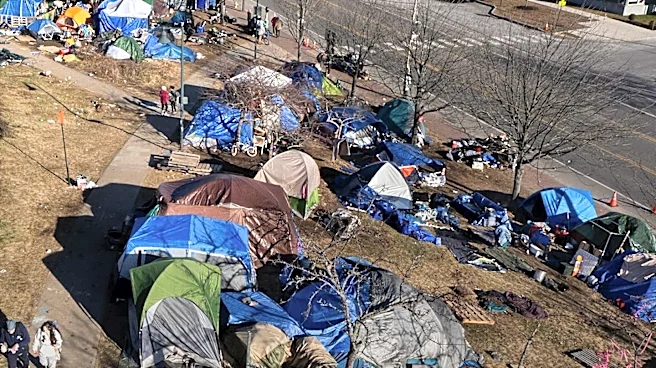
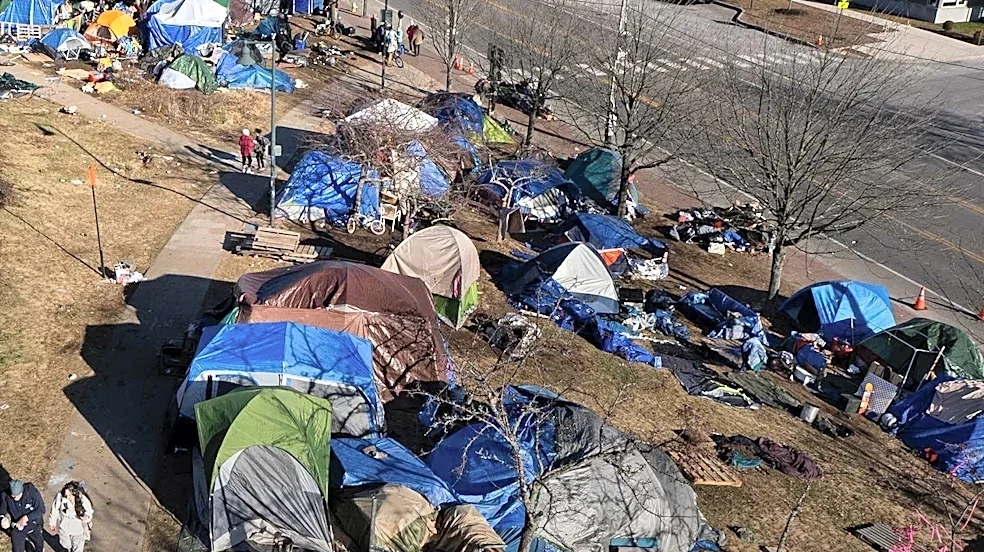
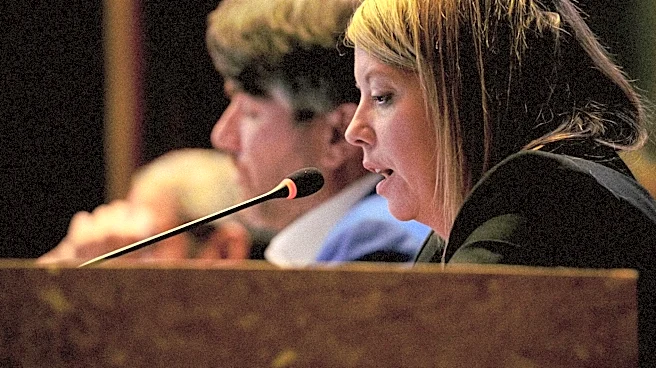
The St. Paul City Council is currently evaluating a comprehensive, three-part plan to address homelessness within the city, estimated to cost nearly $11 million. This initiative seeks to secure funding from multiple sources, including the city's own budget,
Ramsey County, the Minnesota State Legislature, and private philanthropic organizations. The proposed plan aims to provide a multi-faceted approach to supporting individuals experiencing homelessness, encompassing various services and housing solutions. The council's consideration of this significant investment underscores the growing recognition of homelessness as a critical issue requiring substantial and coordinated efforts. The details of the three-part plan, while not fully elaborated in the source, are designed to create a more robust and effective support system for the city's unhoused population.
Why It's Important?
This initiative is important because it represents a substantial commitment from a major U.S. city to tackle a persistent and complex social issue. Homelessness has far-reaching impacts on public health, safety, and economic stability, not just for the individuals affected but for the entire community. A comprehensive plan like St. Paul's, seeking diverse funding streams, could serve as a model for other municipalities grappling with similar challenges. The involvement of city, county, state, and private entities highlights a collaborative approach that is often necessary for addressing large-scale societal problems. Successful implementation could lead to improved living conditions for vulnerable populations, reduced strain on emergency services, and potentially a more stable and equitable urban environment. Conversely, failure to adequately fund or implement such a plan could exacerbate existing issues, leading to increased social costs and continued hardship for those without stable housing.
What's Next?
The immediate next step involves the St. Paul City Council's continued deliberation and potential approval of the nearly $11 million homeless response plan. Following approval, the city will likely proceed with actively seeking and securing the necessary funding from Ramsey County, the Minnesota State Legislature, and private philanthropy. This will involve detailed proposals, negotiations, and public outreach to garner support and financial contributions. The implementation phase would then begin, focusing on establishing or expanding the programs and services outlined in the three-part plan. This could include developing new shelters, increasing outreach efforts, providing supportive housing, and offering job training or mental health services. The success of these efforts will depend on effective coordination among all funding partners and service providers, as well as ongoing monitoring and evaluation of the programs' impact on the homeless population.
Beyond the Headlines
Beyond the immediate financial and logistical aspects, St. Paul's proposed homeless response plan touches upon deeper societal implications regarding urban responsibility and social welfare. The decision to invest such a significant sum reflects a shifting paradigm from merely managing homelessness to actively working towards its reduction and prevention. This initiative could spark broader conversations about the role of local governments in addressing systemic poverty and housing insecurity, potentially influencing policy discussions at state and national levels. Furthermore, the reliance on a mix of public and private funding sources highlights the increasing trend of hybrid models for social service provision, blurring the lines between governmental and non-governmental responsibilities. The long-term success of this plan could redefine community expectations for how cities care for their most vulnerable residents, fostering a more inclusive and compassionate urban fabric.