





What's Happening?
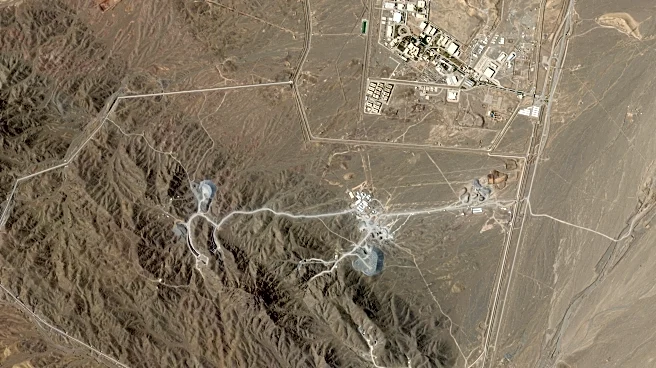
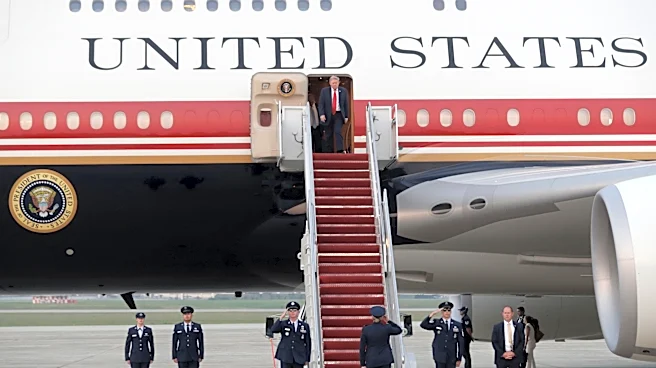
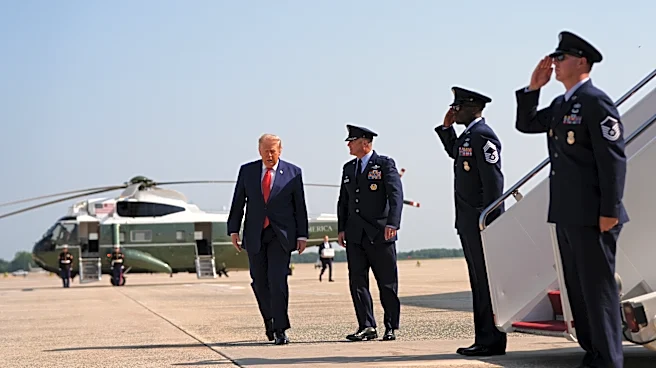
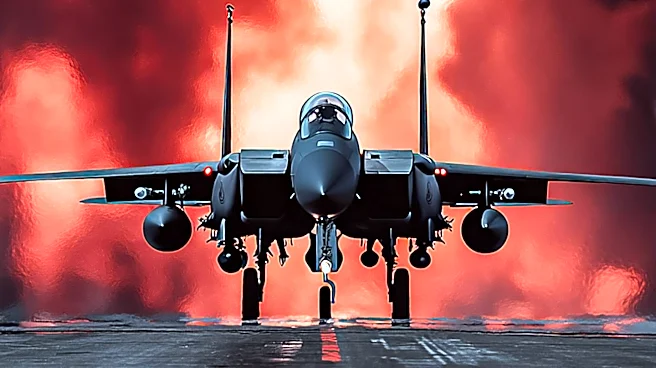
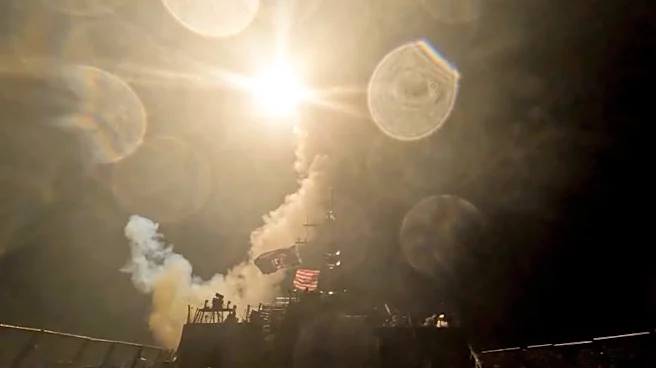
President Donald Trump is contemplating a significant military strike against Iran, which he claims would be larger than previous operations. According to reports, Trump has indicated that a decision on this matter is imminent. He mentioned that Israel
could join the operation quickly if requested, although he emphasized that the United States is capable of acting independently. The potential military action comes amidst ongoing diplomatic tensions, with Trump stating that Iran is still interested in negotiations but has not yet agreed to any terms. The report highlights that regional mediation efforts have not yielded any breakthroughs, with Iranian leadership reportedly not accepting the latest proposals.
Why It's Important?
The potential military action against Iran by the United States could have significant geopolitical implications. A strike of this magnitude could escalate tensions in the Middle East, potentially involving other regional powers and affecting global oil markets. The involvement of Israel, even as a possibility, adds another layer of complexity, as it could provoke retaliatory actions from Iran. This development could also impact U.S. foreign policy and its relations with allies and adversaries alike. The situation underscores the fragile nature of diplomatic efforts in the region and the challenges in achieving a peaceful resolution.
What's Next?
If President Trump decides to proceed with the military strike, it could lead to a series of retaliatory actions from Iran, potentially destabilizing the region further. The international community, including the United Nations and key U.S. allies, may call for restraint and seek to mediate the situation to prevent a broader conflict. Additionally, the U.S. Congress may become involved, debating the merits and consequences of such military action. The outcome of this decision could influence future U.S. foreign policy strategies and its approach to handling international conflicts.