



What's Happening?
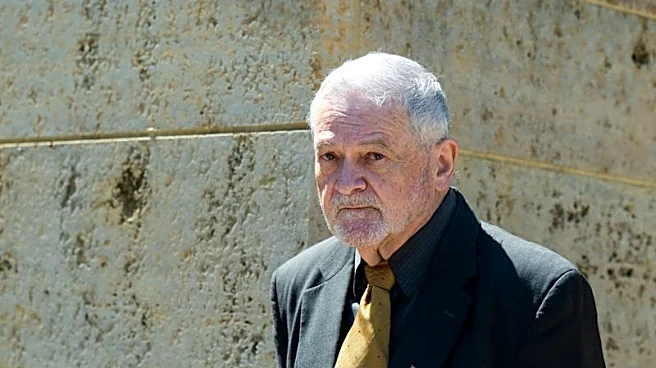
Blerim Skoro, a Kosovo-born individual with an American family, who claims to have worked as a CIA informant in the war on terror, is facing deportation by Immigration and Customs Enforcement (ICE). Skoro was arrested by ICE agents earlier this month
while renewing paperwork in New Jersey. His lawyers have filed a federal court petition to halt his deportation, asserting that he was promised residency for his extensive work as a 'CIA agent.' Skoro was previously granted a deferral of removal in 2022 due to the risk of torture or death by terrorists if deported, a ruling partly based on his alleged assistance in securing arrests of al Qaeda, al Shabaab, and Hezbollah members. Skoro's involvement with U.S. intelligence reportedly began in 2000 while he was incarcerated for drug trafficking. After 9/11, he claims the CIA approached him to exploit his connections, leading him to gather intelligence on terrorists, including Faysal Galab of the Lackawanna Six, Randall 'Ismail' Royer of the Virginia jihad network, and Hezbollah member Junuz Fuaz, during his incarceration between 2002 and 2006. Heavily redacted FBI records from 2004 list Skoro as an informant in an investigation targeting Osama bin Laden, providing 'actionable' and 'reliable' information.
Why It's Important?
This case highlights the complex and often precarious position of individuals who cooperate with U.S. intelligence agencies, particularly in sensitive counter-terrorism operations. The potential deportation of Blerim Skoro, despite his alleged significant contributions to national security, raises critical questions about the U.S. government's obligations and treatment of its informants. If Skoro's claims are substantiated, his deportation could deter future potential informants from cooperating with U.S. agencies, fearing similar abandonment or betrayal. This could severely impact the effectiveness of intelligence gathering and counter-terrorism efforts, which often rely on human sources in high-risk environments. Furthermore, the case brings to light the legal and ethical dilemmas surrounding immigration policies when they intersect with national security interests, particularly concerning individuals who may face grave danger if returned to their home countries. The outcome of this legal battle could set a precedent for how the U.S. handles informants and their immigration status, potentially influencing future intelligence operations and international relations.
What's Next?
Skoro's lawyers have filed a habeas corpus petition in federal court, arguing that ICE cannot arbitrarily arrest and indefinitely detain a noncitizen who has been granted Withholding of Removal under the Convention Against Torture without judicial permission. U.S. District Court Judge Robert Kirsch has ordered the government to respond to this petition. The legal proceedings will determine whether ICE's actions were lawful and if Skoro's deportation can be permanently halted. The case may also draw further attention to the broader issue of informant protection and the responsibilities of U.S. intelligence agencies towards those who assist them. Depending on the court's decision, there could be appeals, potentially leading to a prolonged legal battle. The outcome will likely influence public and political discourse on immigration, national security, and the ethical treatment of individuals involved in covert operations.
Beyond the Headlines
The Skoro case delves into the ethical and moral complexities of intelligence work, particularly the implicit promises made to informants who risk their lives for national security. The narrative of an individual, initially involved in illicit activities, being recruited to serve a higher purpose, only to face potential abandonment, underscores the transactional nature of such relationships. It raises questions about the long-term welfare and protection mechanisms for informants, especially when their utility diminishes or their cover is blown. The case also touches upon the tension between national security imperatives and humanitarian concerns, as Skoro faces potential torture or death if deported. This situation could prompt a re-evaluation of policies regarding informant protection, legal residency for those who aid U.S. intelligence, and the accountability of government agencies in honoring their commitments. The public perception of justice and fairness in such cases can significantly impact trust in government institutions and their ability to recruit future assets.