






What's Happening?
All Nippon Airways (ANA) has announced a significant increase in its fuel surcharge for flights between Australia and Japan, effective May 1, 2026. The surcharge will more than double, rising from AU$253 to AU$595 for a one-way trip, resulting in a substantial
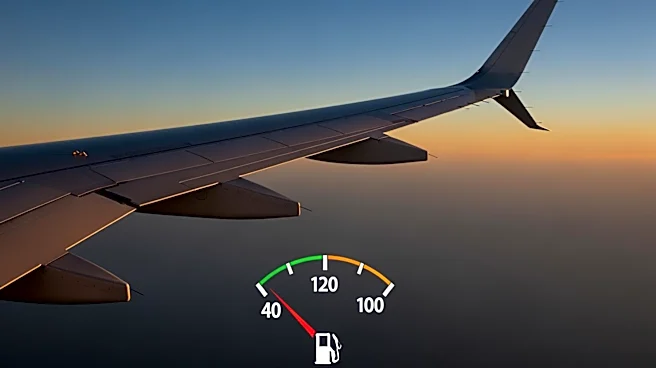
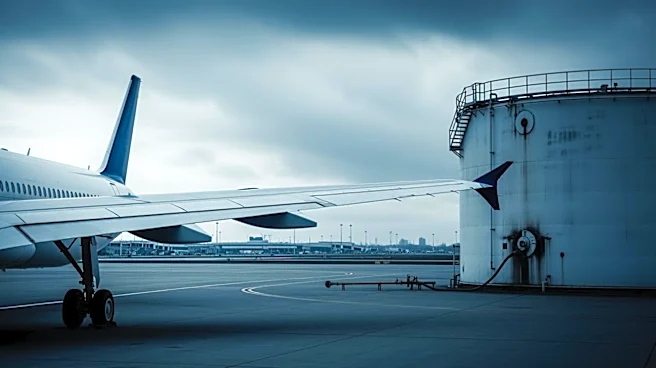
cost increase for travelers. This change comes amid a global jet fuel crisis, driven by the closure of the Strait of Hormuz due to the ongoing conflict in Iran. The crisis has led to a spike in jet fuel prices, which have more than doubled since the conflict began. ANA is not alone in this move; other airlines, including Cathay Pacific and Air France-KLM, have also increased their surcharges in response to rising fuel costs.
Why It's Important?
The increase in fuel surcharges by ANA and other airlines highlights the broader impact of geopolitical tensions on the global aviation industry. As fuel costs rise, airlines are forced to pass these expenses onto consumers, leading to higher travel costs. This situation could deter travel, particularly for families and budget-conscious travelers, potentially impacting tourism and related industries. The crisis underscores the interconnectedness of global markets and the ripple effects that regional conflicts can have on international travel and commerce. Airlines may face financial strain as they navigate these challenges, potentially leading to further industry consolidation or changes in service offerings.
What's Next?
As the jet fuel crisis continues, airlines may need to explore alternative fuel sources or efficiency measures to mitigate costs. Travelers may seek alternative routes or modes of transportation to avoid high surcharges, potentially impacting airline revenues. The International Air Transport Association (IATA) has warned of potential global ticket price increases, suggesting that the aviation industry may face prolonged financial challenges. Governments and industry stakeholders may need to collaborate on strategies to stabilize fuel supplies and address the underlying geopolitical issues contributing to the crisis.