


What's Happening?
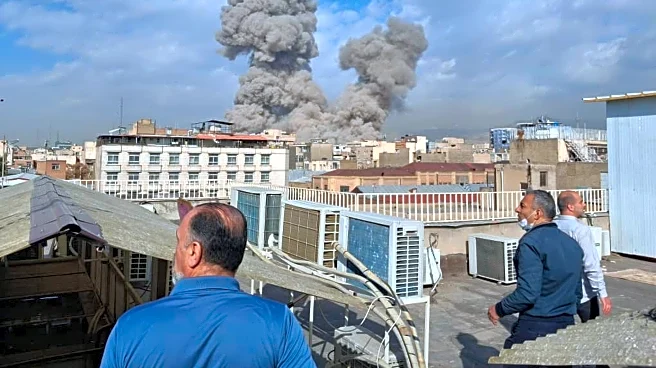
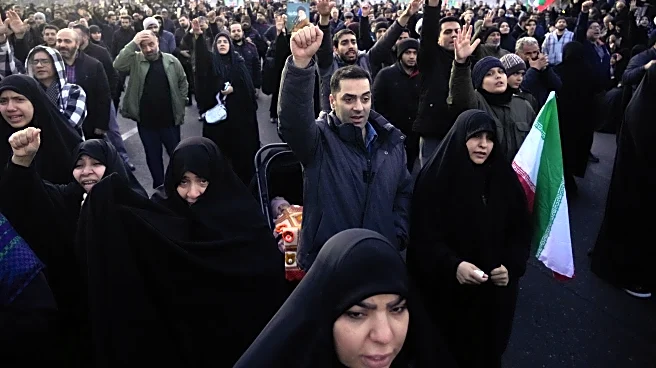
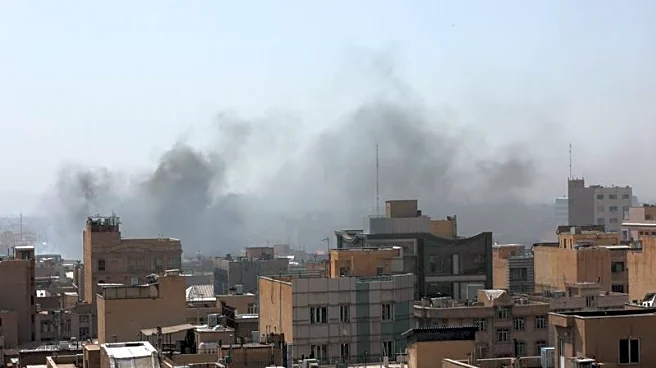
Recent developments have seen the U.S. and Israel launching military strikes on Iran, resulting in the death of Iranian Supreme Leader Ayatollah Ali Khamenei. The attack, which targeted a fortified bunker, has led to a national day of mourning in Iran.
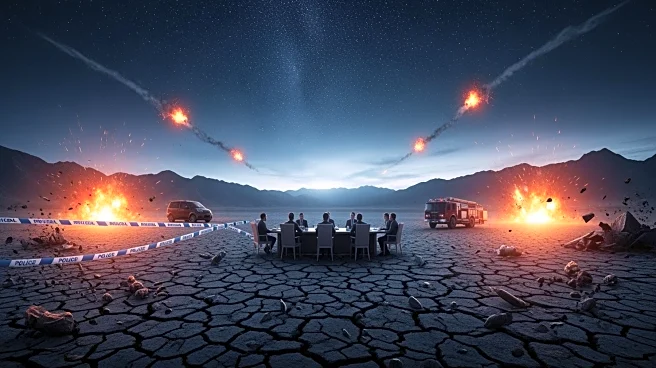
The situation has sparked widespread protests across the U.S., with many opposing the military action and calling for peace. The strikes have also prompted Iran to retaliate by firing missiles at Israeli and U.S. military bases in the region. The international community is closely monitoring the situation as tensions continue to rise.
Why It's Important?
The assassination of Ayatollah Khamenei marks a significant escalation in U.S.-Iran relations, potentially destabilizing the region further. The military action has drawn criticism from various groups within the U.S., highlighting the divisive nature of foreign policy decisions. The potential for a broader conflict poses risks to global security and economic stability, with implications for international alliances and diplomatic relations. The situation underscores the complexities of Middle Eastern geopolitics and the challenges of achieving lasting peace in the region.
What's Next?
In the aftermath of the strikes, the U.S. and Israel may face increased diplomatic pressure to de-escalate tensions and seek peaceful resolutions. The Iranian government will likely focus on consolidating power and addressing internal unrest. International bodies may call for negotiations to prevent further conflict. The situation remains fluid, with potential for further military engagements or diplomatic interventions. Observers will be watching for any shifts in policy or leadership within Iran that could influence the region's future.