




What's Happening?
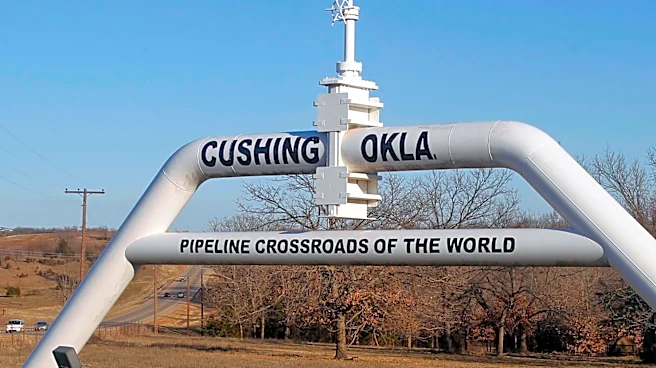
A new tar sands pipeline, dubbed 'Keystone Light,' is proposed to transport oil from Alberta, Canada, to Cushing, Oklahoma. This project, supported by President Trump, is seen as a successor to the defunct Keystone XL pipeline. The pipeline could transport up to 1.13
million barrels of oil per day, surpassing the original Keystone XL's capacity. The project has raised significant concerns among Indigenous communities and environmental groups due to its potential impact on tribal lands and ecosystems. The proposed routes could cut through territories protected under the Fort Laramie Treaty of 1868 and cross critical water sources like the Missouri River.
Why It's Important?
The pipeline represents a significant expansion of North American oil infrastructure, with potential economic benefits for the oil industry. However, it poses substantial risks to Indigenous lands and the environment, echoing the controversies surrounding the Keystone XL pipeline. The project highlights ongoing tensions between energy development and environmental protection, particularly regarding Indigenous rights and climate change. The pipeline's approval process has faced criticism for lacking transparency and adequate consultation with affected communities, raising legal and ethical questions.
What's Next?
The pipeline still requires several state and federal permits before construction can begin. Indigenous and environmental groups are mobilizing to challenge the project through legal and public advocacy efforts. The outcome of these efforts could influence future energy infrastructure projects and the balance between economic development and environmental stewardship. The Trump administration's approach to this project may also impact U.S. relations with Indigenous communities and set precedents for handling similar projects in the future.