
What's Happening?
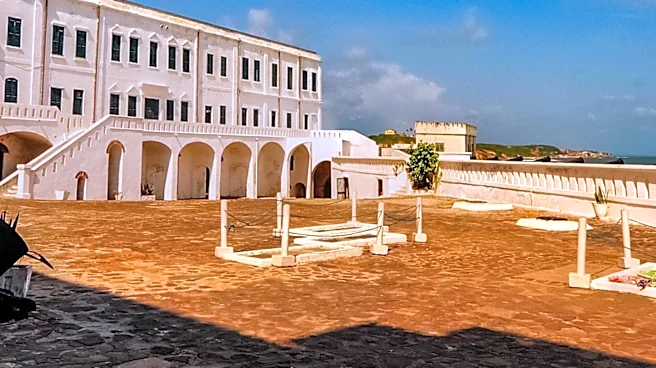
The U.S. Peace Corps and Ghana's Ministry of Health have commemorated 65 years of partnership, marking a significant milestone in their collaborative efforts since 1961. Ghana was the first country to host
Peace Corps volunteers, an initiative launched by then-U.S. President John F. Kennedy and Ghana’s first president, Kwame Nkrumah. Over the decades, nearly 5,000 Peace Corps volunteers have served in Ghana, contributing to various projects across all 16 regions. Currently, 52 volunteers are actively engaged in programs focused on agriculture, education, and health care. Since 2022, these volunteers have successfully completed 102 projects related to water supply, sanitation, and hygiene. Additionally, they have played a crucial role in building or upgrading more than 20 health facilities, including clinics, CHPS compounds, and maternity wards. The partnership has also been instrumental in public health campaigns, notably Ghana's fight against Guinea worm disease, which led to the country being certified disease-free in 2015.
Why It's Important?
This enduring partnership underscores the U.S.'s long-standing commitment to international development and public health initiatives, particularly in sub-Saharan Africa. The Peace Corps' work in Ghana has directly impacted the health and well-being of countless communities, demonstrating the effectiveness of grassroots development aid. By focusing on areas like health care, education, and agriculture, the program helps build local capacity and fosters self-sufficiency, aligning with broader U.S. foreign policy goals of promoting stability and prosperity. The success in eradicating Guinea worm disease highlights the tangible results achievable through sustained international cooperation. Furthermore, the involvement of U.S. volunteers in diverse sectors strengthens diplomatic ties and cultural understanding between the two nations, creating a foundation for future collaborations and mutual support. The program also provides valuable cross-cultural experience for American citizens, enriching their perspectives and contributing to a more globally aware U.S. populace.
What's Next?
Ghana's Ministry of Health is developing a structured volunteer program as part of its free primary health care initiative. This program aims to provide qualified health workers awaiting public health system placement with opportunities to serve in underserved communities and receive compensation. This local initiative could potentially complement the ongoing efforts of the Peace Corps, creating a more integrated and sustainable approach to health service delivery. The continued presence of Peace Corps volunteers in Ghana suggests an ongoing commitment to these development areas, with future projects likely to build upon past successes in health infrastructure, education, and agricultural practices. The long-term impact will depend on sustained funding and political will from both the U.S. and Ghanaian governments, ensuring that the momentum generated over 65 years continues to address evolving community needs and development challenges.
Beyond the Headlines
The 65-year partnership between the U.S. Peace Corps and Ghana transcends mere aid; it represents a profound cultural exchange and a model for international cooperation. The program's emphasis on working with local communities to address their identified needs fosters a sense of ownership and empowerment, which is crucial for sustainable development. This approach contrasts with top-down aid models and highlights the ethical dimension of development work, where respect for local knowledge and customs is paramount. The personal experiences of nearly 5,000 American volunteers in Ghana have undoubtedly shaped their understanding of global issues and contributed to a more nuanced U.S. perspective on international relations. This long-term engagement also serves as a testament to the power of soft diplomacy, building bridges between nations through shared human experiences and collective efforts to improve lives.