




What's Happening?
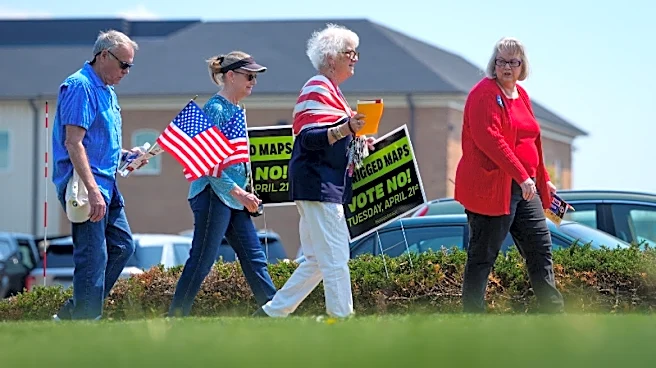
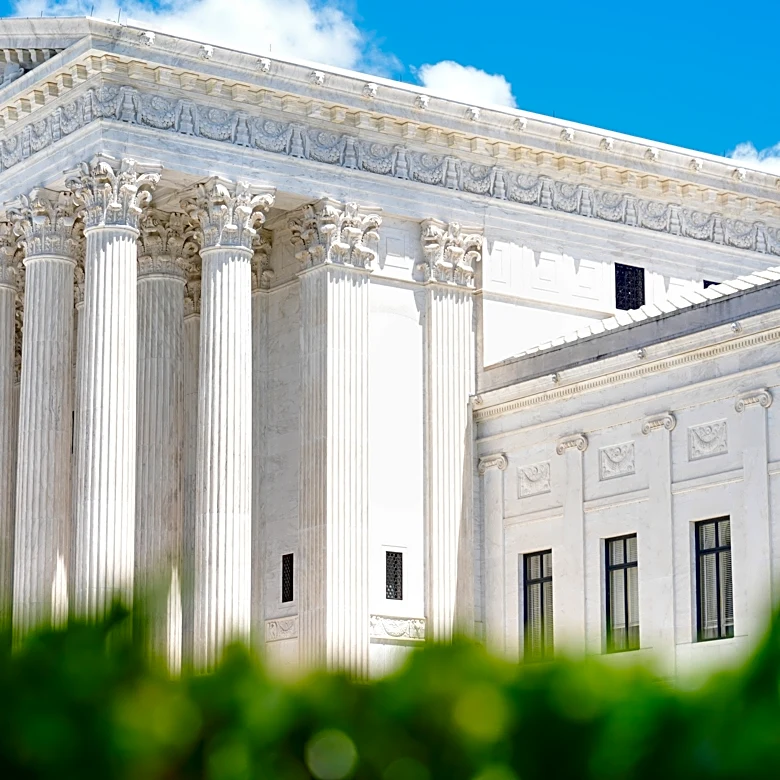
The U.S. Supreme Court's decision in Louisiana v. Callais has significantly altered the landscape of gerrymandering in the United States. The ruling weakened the Voting Rights Act by allowing states to redraw electoral maps without federal oversight,
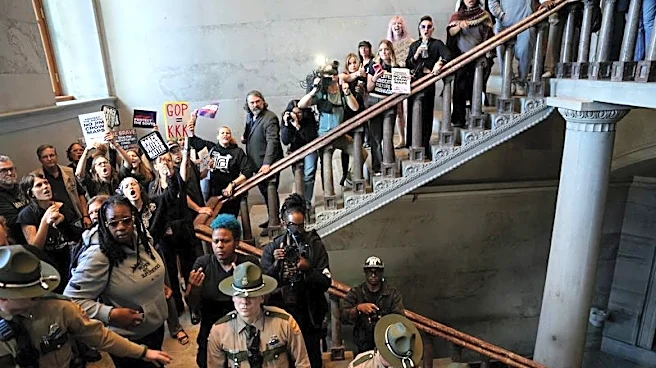
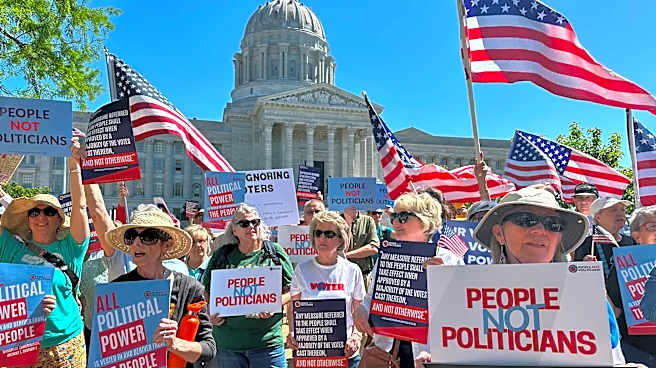
leading to immediate actions by several southern states to redraw their districts. This decision has sparked a wave of redistricting efforts aimed at consolidating political power, particularly in Republican-led states. The ruling has raised concerns about the future of fair representation and the potential for increased political polarization.
Why It's Important?
The Supreme Court's decision marks a pivotal moment in the ongoing battle over gerrymandering and voting rights in the U.S. By diluting the protections of the Voting Rights Act, the ruling could lead to significant changes in electoral representation, particularly affecting minority communities. The decision may exacerbate political polarization by enabling more extreme partisan gerrymandering, potentially undermining the principle of 'one person, one vote.' This development could have long-term implications for the balance of power in Congress and the overall health of American democracy.
What's Next?
In the wake of the ruling, several states are expected to continue redrawing their electoral maps, potentially leading to legal challenges and further court battles. The decision may prompt calls for legislative action to address gerrymandering and protect voting rights at the federal level. As the political landscape shifts, stakeholders, including civil rights organizations and political parties, will likely intensify their efforts to influence redistricting processes and advocate for fair representation.
Beyond the Headlines
The ruling's impact extends beyond immediate political consequences, raising ethical and legal questions about the integrity of the electoral process. The decision may prompt a reevaluation of the role of the judiciary in safeguarding democratic principles and protecting minority rights. Additionally, the ruling could influence public perception of the Supreme Court's impartiality and its role in shaping the nation's political future.