



What's Happening?
Recent studies have raised concerns about the health risks associated with quaternary ammonium compounds (QACs), commonly found in disinfectants and sanitizers. Research conducted at Washington State University has linked QACs to reproductive issues and developmental
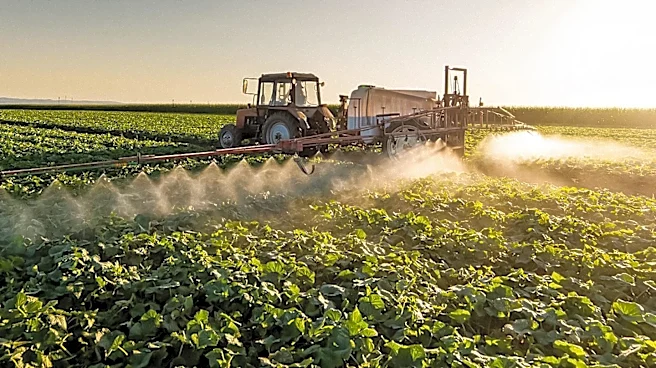
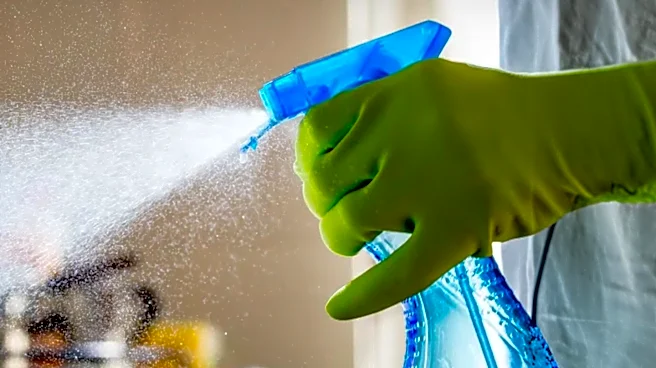
defects in lab animals. These compounds, classified as pesticides, are widely used in homes, schools, and healthcare settings. Despite their effectiveness in killing germs, emerging evidence suggests potential adverse effects on human health, prompting calls for further investigation.
Why It's Important?
The widespread use of QACs, especially during the COVID-19 pandemic, has increased exposure to these chemicals. While they are effective disinfectants, the potential health risks associated with long-term exposure are concerning. The findings highlight the need for a balanced approach to disinfection, prioritizing safety alongside efficacy. As public awareness grows, there may be increased demand for safer alternatives and stricter regulations on the use of QACs in consumer products.
What's Next?
Further research is needed to fully understand the health implications of QAC exposure. Regulatory agencies may consider revisiting safety guidelines and evaluating the need for additional data on the long-term effects of these compounds. In the meantime, consumers are encouraged to use disinfectants judiciously and explore safer alternatives, such as products containing citric acid or hydrogen peroxide. The ongoing dialogue between scientists, regulators, and industry stakeholders will be crucial in addressing these concerns.
Beyond the Headlines
The debate over QACs reflects broader challenges in chemical safety and regulation. As new evidence emerges, it underscores the importance of continuous monitoring and reassessment of widely used chemicals. The situation also highlights the role of consumer awareness in driving demand for safer products and influencing industry practices. The potential health risks associated with QACs may prompt a reevaluation of disinfection practices, balancing the need for hygiene with the importance of minimizing chemical exposure.