




What's Happening?
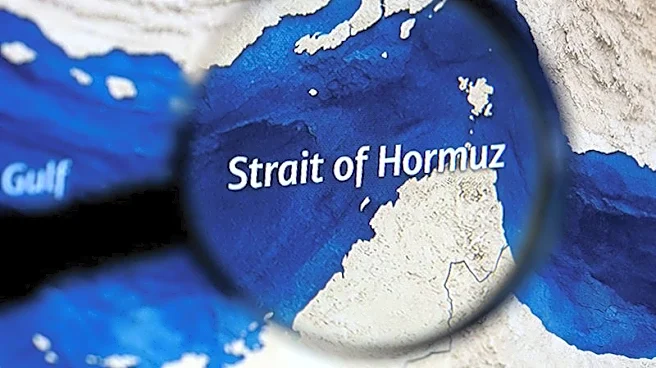
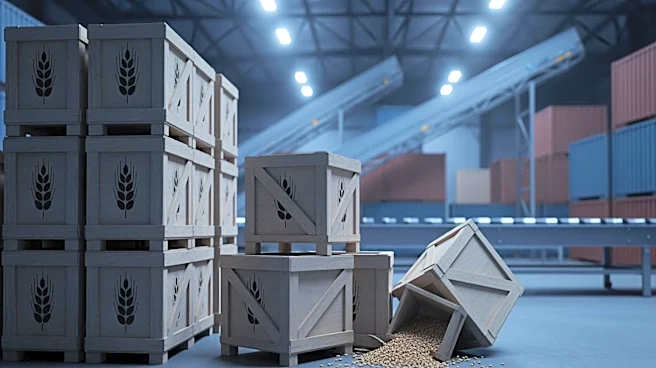
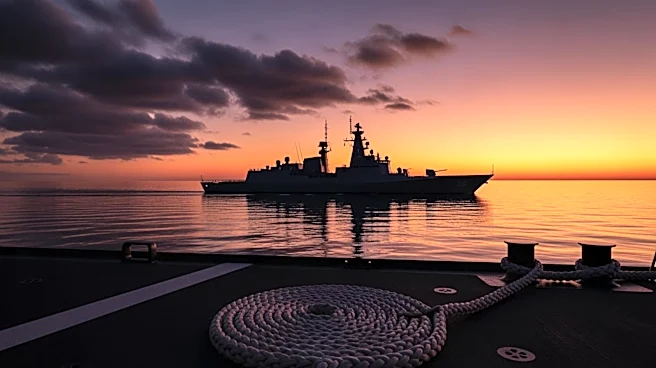
The ongoing conflict involving Iran has severely disrupted global food supply chains, particularly due to the closure of the Strait of Hormuz. This strategic waterway is crucial for the transportation of essential agricultural inputs and food commodities.
Over 2,000 ships carrying grains, oils, and other food products are stranded, unable to move due to the blockade. The disruption is not only affecting the availability of these goods but also causing significant delays and potential spoilage of perishable items. The shortage of fertilizers, which are also trapped, poses a long-term threat to future harvests. The energy market is also impacted, leading to increased costs for packaging and other petrochemical-based materials, which could further exacerbate the situation.
Why It's Important?
The disruption in the Strait of Hormuz is a critical issue for global food security. The blockade affects a significant portion of the world's food supply, including grains and edible oils, which are essential for food production worldwide. The shortage of fertilizers could lead to reduced agricultural output in the future, potentially causing a global food crisis. The increased costs in the energy market are likely to drive up food prices, making it difficult for consumers, especially in poorer regions, to afford basic necessities. This situation highlights the vulnerability of global supply chains to geopolitical conflicts and the interconnectedness of food, energy, and economic stability.
What's Next?
If the Strait of Hormuz remains closed, the global food supply chain could face long-term structural damage. Companies may need to reformulate products or suspend production lines due to the lack of raw materials. Smaller brands, with less buying power, may struggle to survive. Consumers might experience rising prices and limited availability, leading to panic buying and rationing. The reopening of the Strait is crucial, but even if it happens soon, it will take weeks to stabilize supply chains. The international community may need to explore alternative routes and solutions to mitigate the impact of such disruptions in the future.