


What's Happening?
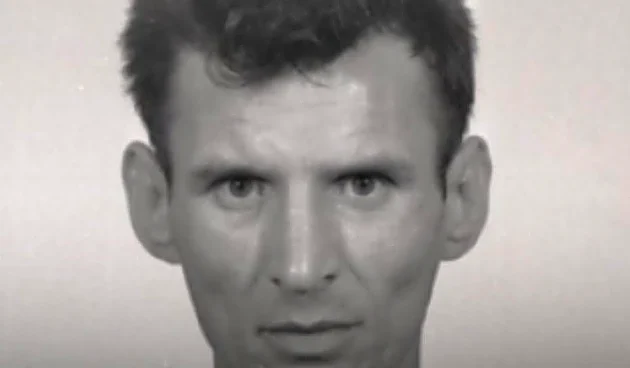
The remains of Armas Henry Lahti, a World War II Navy veteran and commercial fisherman who vanished around 1965, have been identified through genetic genealogy. His body was discovered in 1972 in the woods of Bandon, Oregon, with two bullet wounds to
the head, indicating homicidal violence. The identification came after FBI Special Agent Meagan Sharp contacted Sandra Kalander, a second cousin of Lahti's husband, John, following a family match from an ancestry test taken by Kalander's deceased son, Robert. Investigators, including Deputy Chancy Fabrizio, had faced significant challenges over decades due to the body's decomposition, lack of a missing person report, and Lahti's independent lifestyle as a traveling fisherman. The FBI and the Oregon Cold Case Collective utilized genetic genealogy, building a family tree through public records and family interviews, to confirm Lahti's identity in June.
Why It's Important?
This case highlights the transformative power of genetic genealogy in solving long-standing cold cases and providing closure to families. For decades, Lahti's disappearance was a mystery, and his family had no answers regarding his fate. The use of advanced DNA technology, combined with diligent investigative work, demonstrates a significant evolution in forensic science and its application in law enforcement. The identification of Lahti, a WWII veteran, underscores the commitment to honoring those who served, even many years after their passing. It also brings attention to the challenges faced by law enforcement in historical cases, such as degraded evidence and the fading memories of witnesses. The collaborative effort between the FBI and local organizations like the Oregon Cold Case Collective showcases the effectiveness of inter-agency cooperation in tackling complex investigations.
What's Next?
With Lahti's identity confirmed, the investigation now shifts focus to determining the circumstances of his death and identifying those responsible. Investigators will pursue leads related to rumors of a bar dispute in Newport, Oregon, and attempt to locate his missing car and fishing boat. The Oregon Cold Case Collective will continue its work, exploring historical records of bars in the area and reaching out to the local fishing and Finnish communities for any information. While the suspect is likely deceased due due to the passage of time, the goal remains to provide a complete understanding of what happened to Lahti. His family is awaiting custody of his remains to arrange a proper burial, possibly with military honors, to finally lay him to rest. This case may also encourage more families of missing persons to submit DNA samples to genealogy databases, aiding in future cold case resolutions.
Beyond the Headlines
The story of Armas Henry Lahti's identification delves into the profound human need for answers and closure, even after many decades. It touches upon the ethical considerations surrounding the use of genetic genealogy, balancing privacy concerns with the pursuit of justice and the right of families to know what happened to their loved ones. The narrative also subtly explores the transient nature of memory and the challenges of reconstructing events from a distant past, emphasizing the importance of preserving historical records and oral histories. Lahti's life as an independent fisherman, without immediate family to report him missing, sheds light on how individuals can slip through societal cracks, making their cases particularly difficult to solve. The emotional impact on the investigators, particularly FBI Special Agent Meagan Sharp and Deputy Chancy Fabrizio, highlights the deep personal commitment often involved in cold case work, driven by a desire to honor the victims and bring peace to their families.