



What's Happening?
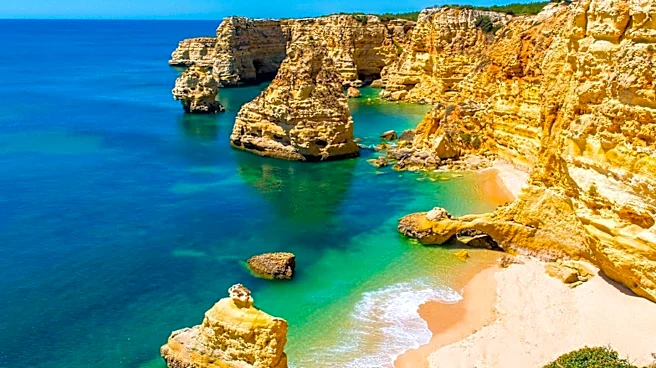
A 64-year-old Irishman passed away after encountering difficulties in the water at Prainha beach in Alvor, Portimão, Portugal. The incident occurred in an unguarded section of the beach. An alert was received at 10:39 AM, prompting the immediate activation
of personnel from the 'SeaWatch' Project, the National Medical Emergency Institute (INEM), and the Portimão Volunteer Firefighters. Upon arrival, rescuers found that members of the public had already pulled the man from the water, and lifeguards had initiated resuscitation efforts. Despite these attempts and the subsequent arrival of INEM, the man was pronounced dead at the scene. The Portimão Local Maritime Police Command has taken charge of the incident, and the Maritime Police Psychology Department is providing support to the victim's family.
Why It's Important?
This tragic incident underscores the inherent risks associated with swimming in unguarded beach areas, a concern that resonates globally, including in popular U.S. coastal destinations. The absence of lifeguards or designated safe swimming zones significantly increases the potential for accidents, particularly for older individuals or those with underlying health conditions. For U.S. tourists traveling abroad, this event serves as a stark reminder of the importance of understanding local beach safety regulations and exercising caution, especially in unfamiliar waters. It also highlights the critical role of public awareness regarding water safety and the need for readily available emergency services, even in seemingly tranquil environments. The incident could prompt travel advisories or increased emphasis on water safety guidelines for U.S. citizens visiting international beaches, impacting the tourism industry and individual travel planning.
What's Next?
Following the incident, the man's body was transferred to the Medical-Legal and Forensic Office of Barlavento Algarvio for further examination. The Department of Foreign Affairs has confirmed its awareness of the case and is providing consular assistance to the victim's family, adhering to its policy of not commenting on specific details of individual cases. This process will likely involve an investigation into the exact cause of death and the circumstances surrounding the incident. While no immediate policy changes are announced, such events often lead to renewed discussions among local authorities about beach safety measures, including the potential for increased lifeguard presence or improved signage in previously unguarded areas. For tourists, it reinforces the ongoing need to prioritize personal safety and be vigilant when engaging in water activities.
Beyond the Headlines
Beyond the immediate tragedy, this event subtly highlights the broader challenges faced by popular tourist destinations in ensuring visitor safety across vast and varied natural landscapes. The concept of 'unguarded areas' on beaches, while common, presents a continuous dilemma for local authorities balancing accessibility with safety resources. This incident could spark conversations about the responsibility of tour operators and accommodation providers to inform guests about local hazards and safety protocols. Culturally, it reinforces the universal vulnerability of individuals to natural elements, regardless of their origin. The provision of psychological support to the family also points to the often-overlooked emotional toll such incidents take on loved ones, emphasizing the need for comprehensive support systems in emergency responses.