






What's Happening?
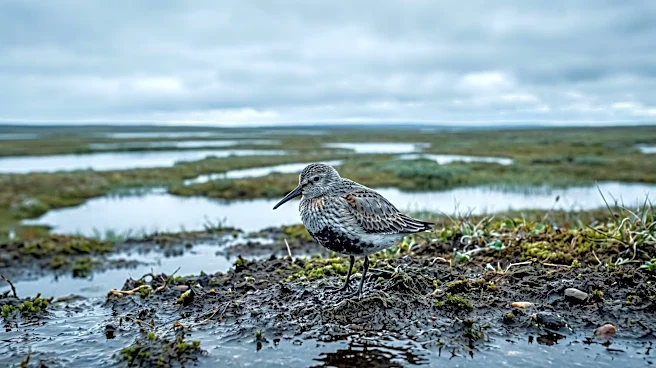
Arctic shorebird populations, including pectoral sandpipers, are experiencing significant declines, with nearly half of the 41 species breeding in Alaska showing a decrease of over 50% in the last 30 years. These birds undertake migrations of over 17,000
miles annually from Alaska to Argentina and back. Researchers, including Rick Lanctot of the U.S. Fish and Wildlife Service, have been tracking these birds for 24 years, observing a concerning trend. Climate change is a major factor, causing spring to arrive earlier in the Arctic, which disrupts the birds' timing with the peak availability of their insect food sources. This 'mismatch' particularly impacts chick survival. Habitat loss, primarily due to development and drought, further exacerbates the issue by reducing crucial wetlands and grasslands used as migratory rest stops. Scientists are using lightweight tracking tags to better understand these arduous journeys and the challenges faced by these 'miraculous migrants.'
Why It's Important?
The decline of Arctic shorebird populations serves as a critical indicator of broader environmental degradation and the accelerating impacts of climate change. These birds act as 'sentinels' for the planet, touching down in diverse ecosystems across continents, making their struggles a reflection of global ecological health. Their diminishing numbers signal disruptions in food webs, habitat integrity, and climatic stability, which can have cascading effects on other species and ecosystems. The 'mismatch' phenomenon, where birds' breeding cycles are out of sync with insect availability due to earlier springs, highlights the complex and often unpredictable consequences of a warming world. This situation underscores the urgent need for comprehensive conservation strategies, including habitat protection, climate change mitigation, and international cooperation, to prevent further biodiversity loss and maintain ecological balance.
What's Next?
Researchers are intensifying efforts to understand the adaptive capacity of migratory birds to a warming Arctic. This includes studying how birds make decisions about migration timing and whether they can adjust their nesting schedules to align with earlier insect emergences. Conservation efforts are also focusing on boosting habitat in critical rest stops, such as paying farmers in California to flood rice fields for longer periods. The data collected from advanced tracking technologies will be vital in informing future conservation strategies and policy decisions. Continued monitoring of insect populations and their nutritional quality will also be crucial. The long-term goal is to develop effective management practices that maximize the likelihood of these birds' survival in a rapidly changing environment, potentially involving international collaborations given the vast migratory routes of these species.
Beyond the Headlines
The plight of Arctic shorebirds extends beyond ecological concerns, touching upon cultural and ethical dimensions. Indigenous communities, like the Inupiat in Utqiaġvik, have long relied on and observed these birds, noting significant changes in their presence and behavior due to environmental shifts. This highlights the cultural impact of climate change on traditional ways of life and the loss of ecological knowledge. Ethically, the decline of these species prompts a re-evaluation of humanity's stewardship of the planet and the moral obligation to protect vulnerable wildlife. The scientific advancements in tracking technology also raise questions about the balance between data collection and minimizing disturbance to sensitive species. Ultimately, the story of these shorebirds is a microcosm of the global climate crisis, urging a deeper reflection on human responsibility and the interconnectedness of all life on Earth.