



What's Happening?
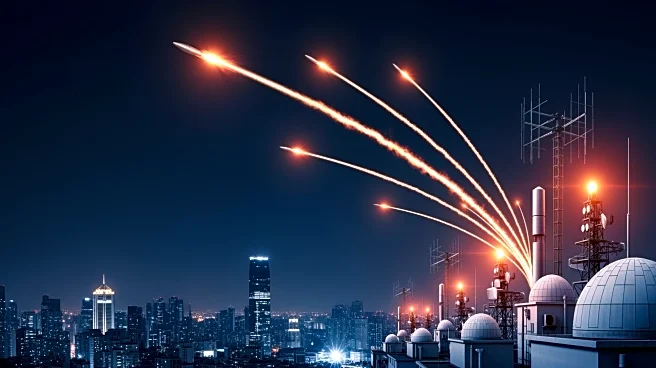
Israel has launched strikes on Beirut, targeting what it claims are Hezbollah positions in response to an attack by the Iran-backed group. The Israeli government has issued evacuation orders for residents in over 50 towns and villages in Lebanon, warning
of further military actions. This escalation follows a pattern of heightened tensions between Israel and Hezbollah, with both sides engaging in periodic exchanges of fire. The strikes have led to significant displacement of civilians in Beirut, as residents flee the affected areas.
Why It's Important?
The strikes on Beirut mark a significant escalation in the ongoing conflict between Israel and Hezbollah, with potential implications for regional stability. The military actions could lead to a broader conflict involving other regional actors, given Hezbollah's ties to Iran. The displacement of civilians adds to the humanitarian challenges in Lebanon, a country already grappling with economic and political crises. The situation underscores the fragile nature of peace in the region and the potential for rapid escalation into wider conflict.
What's Next?
The international community is likely to respond with calls for de-escalation and dialogue to prevent further violence. Diplomatic efforts may intensify to mediate between the parties involved. The situation could also prompt discussions within the United Nations regarding peacekeeping or humanitarian interventions. Meanwhile, the affected civilian population in Lebanon will require immediate humanitarian assistance, and aid organizations may mobilize to address the needs of displaced residents.