




What's Happening?
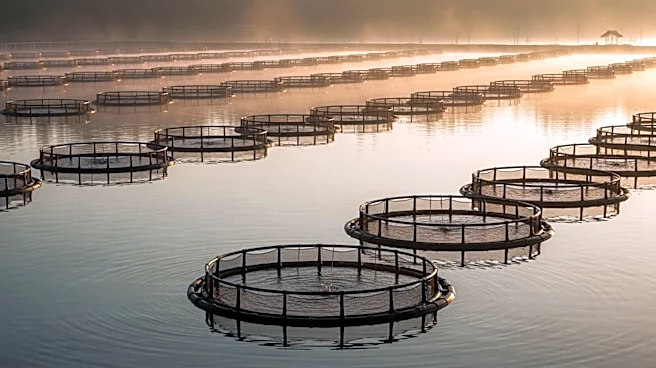
A recent study conducted by researchers at the University of British Columbia has revealed concerning trends in the global aquaculture industry. The study, published in the Fish and Fisheries journal, indicates that while aquaculture has expanded significantly,
it increasingly relies on species that are less beneficial for food security, climate mitigation, and biodiversity. The research highlights a shift since the 1980s towards a smaller number of intensively farmed species, such as salmon, trout, and sea bass, which, despite their commercial value, offer lower sustainability potential. Dr. William Cheung, a senior author of the study, emphasized the growing mismatch between current production trends and the optimal support for climate, biodiversity, and food security outcomes. The study utilized a traits-based approach to assess species' contributions to food provision, climate impact, and biodiversity, finding that modern systems often focus on species with higher environmental trade-offs.
Why It's Important?
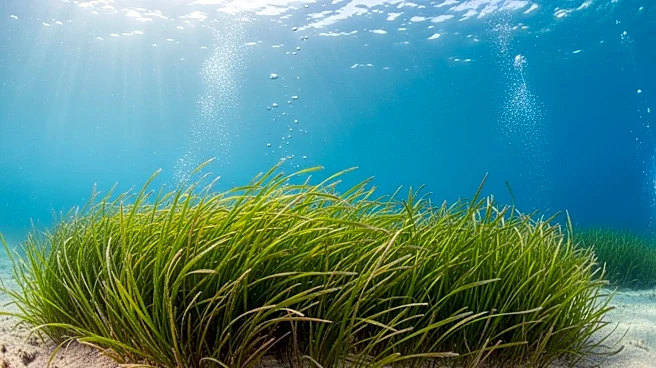
The findings of this study are significant as they underscore the potential misalignment between aquaculture practices and global sustainability goals. The reliance on species with higher environmental trade-offs could undermine efforts to address climate change, biodiversity loss, and food security. As aquaculture is a rapidly growing food sector, particularly with species like salmon, the industry's choices could have far-reaching implications for environmental health and resource use. The study suggests that focusing on species with lower environmental impacts, such as bivalves and seaweed, could enhance the industry's contribution to sustainability. This shift is crucial for aligning aquaculture with broader environmental and food security objectives, potentially influencing policy decisions and industry practices.
What's Next?
The study suggests that to ensure long-term sustainability, the aquaculture industry may need to diversify its production and focus on species with lower environmental impacts. This could involve policy changes and industry adaptations to prioritize species that offer greater environmental benefits. Stakeholders, including policymakers, industry leaders, and environmental groups, may need to collaborate to implement strategies that align aquaculture practices with sustainability goals. The study's findings could prompt discussions on regulatory frameworks and market incentives to encourage the production of more sustainable aquaculture species.