
What's Happening?
The National Weather Service (NWS) has issued heavy snow warnings and winter weather advisories across parts of Montana and Idaho, with significant snowfall expected to impact travel and increase avalanche
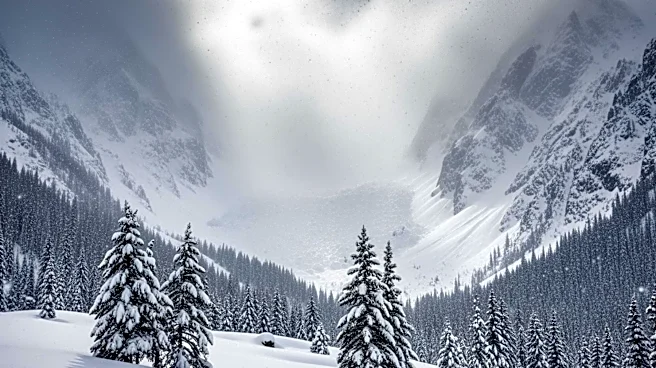
risks. In Montana, areas such as the Bears Paw Mountains and southern Blaine County are under winter storm warnings, with snow accumulations potentially reaching up to 9 inches and wind gusts as high as 50 mph. The NWS in Billings has also highlighted increased avalanche danger in the Crazy Mountains and the Absaroka/Beartooth range due to heavy snowfall and gusty winds. In Idaho, advisories are in place for Lemhi County and the southern Clearwater Mountains, where snow totals could reach up to 10 inches at higher elevations. Hazardous travel conditions are anticipated, particularly over mountain passes, with potential for slushy and snow-covered roads, blowing snow, and low visibility.
Why It's Important?
The heavy snow and associated weather conditions pose significant risks to transportation and safety in the affected regions. The potential for avalanches in mountainous areas could endanger backcountry travelers and disrupt local communities. Additionally, the heavy, wet snow may lead to power outages and tree damage, further impacting residents. The advisories and warnings highlight the need for preparedness among local authorities and residents to mitigate the risks associated with severe winter weather. The economic impact could also be felt in terms of disrupted travel and potential damage to infrastructure.
What's Next?
As the storm progresses, the NWS will continue to monitor conditions and update advisories as necessary. Residents and travelers in the affected areas are advised to stay informed of the latest weather updates and exercise caution when traveling. Local authorities may implement additional safety measures, such as road closures or avalanche control operations, to protect public safety. The situation underscores the importance of emergency preparedness and effective communication between weather services and the public.