





What's Happening?
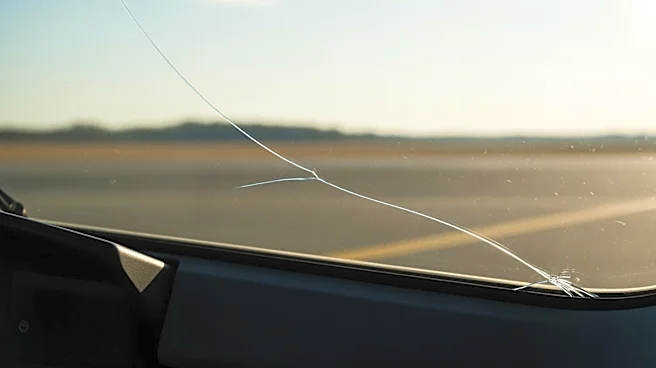
On May 11, 2026, a Southwest Airlines flight from Albuquerque to Baltimore was forced to make an emergency landing in Tulsa, Oklahoma, after a crack was discovered in the plane's windshield. The Federal Aviation Administration (FAA) confirmed the safe
landing and announced an investigation into the incident. The flight, identified as Flight 2665, took off from Albuquerque International Sunport and was diverted to Tulsa International Airport after a crew member reported the windshield damage. The windshield, made of multiple layers of tempered glass and other materials, cracked at an altitude of 37,000 feet. No injuries were reported among the passengers or crew. Southwest Airlines commended the professionalism of the flight crew, and passengers were rebooked on another flight, arriving in Baltimore four hours behind schedule.
Why It's Important?
The incident highlights the critical importance of aircraft maintenance and safety protocols in the aviation industry. A cracked windshield at high altitude poses significant risks, potentially compromising the structural integrity of the aircraft. The FAA's investigation will focus on determining the cause of the crack, which remains unknown. This event underscores the need for rigorous safety checks and could lead to increased scrutiny of maintenance practices across the airline industry. For passengers, it serves as a reminder of the complexities and potential hazards of air travel, despite its reputation as a safe mode of transportation. The outcome of the investigation may influence future regulatory measures and safety standards.
What's Next?
The FAA will conduct a thorough investigation to ascertain the cause of the windshield crack. Depending on the findings, there may be recommendations for changes in maintenance procedures or materials used in aircraft windshields. Southwest Airlines and other carriers may also review their safety protocols to prevent similar incidents. The aviation industry will be closely monitoring the investigation's outcome, as it could have implications for aircraft design and safety regulations. Passengers and industry stakeholders will be keen to see how this incident influences future safety measures and operational practices.