
What's Happening?
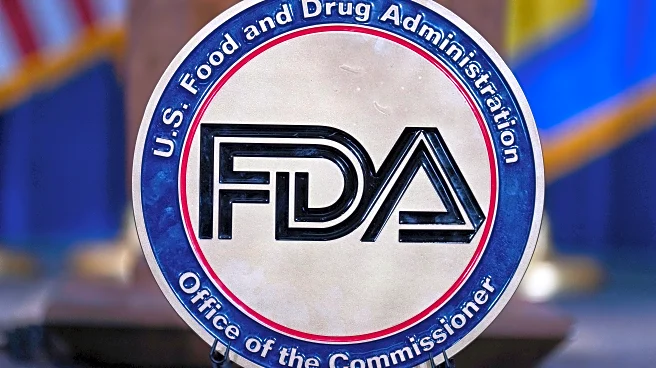
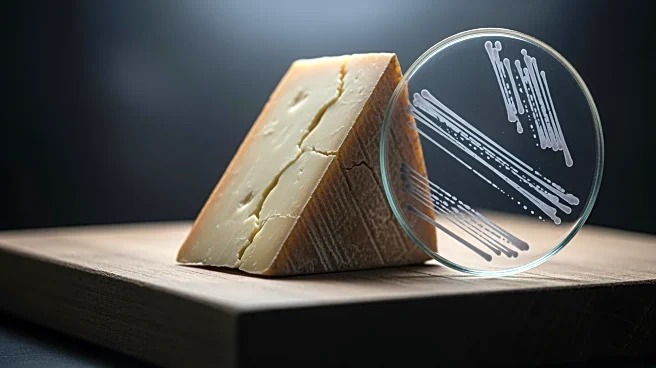
The FDA has identified Raw Farm's raw-cheddar cheese as the source of an E. coli outbreak affecting nine individuals, including children under five. Despite the FDA's request for a recall, Raw Farm has refused to pull the product from shelves, citing
circumstantial evidence and a lack of positive tests for E. coli in their cheese. Historically, companies implicated in foodborne outbreaks have complied with recall requests, but Raw Farm's resistance marks a significant deviation. The FDA has the authority to enforce a mandatory recall, though it has not yet exercised this power. Raw Farm's president, Aaron McAfee, argues that the FDA's case is unfounded and insists on the safety of their products.
Why It's Important?
This situation highlights a growing distrust between food companies and regulatory agencies like the FDA. The refusal to recall potentially contaminated products poses a significant risk to public health and challenges the FDA's ability to enforce food safety standards. If companies continue to resist recall requests, it could undermine the FDA's efforts to prevent outbreaks and protect consumers. The case also underscores the popularity of unpasteurized products despite their associated risks, driven by skepticism towards government warnings. This incident may prompt a reevaluation of regulatory strategies and the need for stronger enforcement mechanisms.
What's Next?
The FDA may consider a mandatory recall to remove Raw Farm's cheese from the market, though this would likely face legal challenges from the company. The agency could also continue gathering evidence to support such a move. Meanwhile, public pressure and congressional involvement may influence Raw Farm's decision. The outcome of this case could set a precedent for future food safety enforcement and impact consumer trust in both regulatory bodies and food producers.
Beyond the Headlines
The broader implications of this case involve the cultural and ethical dimensions of food safety and consumer choice. The popularity of raw milk products reflects a cultural shift towards natural and unprocessed foods, often at the expense of safety. This incident may spark debates on the balance between consumer freedom and regulatory oversight, as well as the ethical responsibilities of companies in ensuring product safety. Long-term, it could influence public perceptions of food safety and the credibility of regulatory agencies.