






What's Happening?
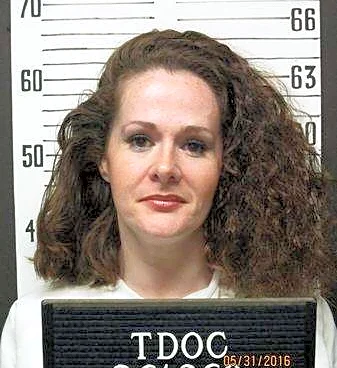
Justice Sonia Sotomayor, along with Justices Elena Kagan and Ketanji Brown Jackson, dissented from a U.S. Supreme Court decision that allowed the execution of Christa Gail Pike in Tennessee to proceed. The Supreme Court's conservative majority overturned
a stay of execution issued by the 6th Circuit U.S. Court of Appeals, which had sought to consider Pike's claims of childhood sexual abuse and mental illness. Pike, convicted of a 1995 murder committed at age 18, was scheduled to be the first woman executed in Tennessee in over 200 years. Sotomayor criticized the majority's decision, stating it "interferes with the Sixth Circuit’s routine administrative handling of a capital case and unnecessarily prevents that court from giving due consideration to Pike’s claim." Despite the Supreme Court's ruling, Tennessee officials were reportedly unable to carry out the execution, with reports indicating Pike remained alive after two doses of pentobarbital were administered.
Why It's Important?
This Supreme Court decision highlights ongoing divisions within the judiciary regarding capital punishment, particularly in cases involving complex mitigating factors such as age at the time of the crime, mental illness, and allegations of severe abuse. Justice Sotomayor's dissent underscores concerns about due process and the thorough consideration of all relevant evidence in capital cases. The case also renews debate on the death penalty for young offenders and the execution of women, which remains rare in the U.S. The reported inability of Tennessee officials to complete the execution raises significant questions about the efficacy and ethics of lethal injection protocols, potentially leading to further legal challenges and public scrutiny of execution methods. This incident could influence future legal arguments surrounding cruel and unusual punishment and the administration of the death penalty nationwide.
What's Next?
Following the reported inability to carry out the execution, Tennessee Governor Bill Lee has ordered a "comprehensive, third-party review" to investigate the incident, and all remaining scheduled executions for the year have been halted. Pike's lawyers filed emergency motions seeking to halt the execution, citing "unnecessary agony" and a violation of her right to be executed free of cruel and unusual punishment. This situation will likely lead to further legal proceedings and investigations into the state's execution protocols. The outcome of the third-party review and subsequent legal challenges could result in revisions to Tennessee's lethal injection procedures or a reevaluation of the state's approach to capital punishment. The case may also prompt broader discussions among legal scholars, human rights organizations, and the public about the death penalty's application and its ethical implications.
Beyond the Headlines
The Christa Gail Pike case delves into profound ethical and legal dimensions beyond the immediate execution attempt. It brings to the forefront the long-standing debate about the moral culpability of individuals who commit heinous crimes as adolescents, especially when compounded by histories of severe trauma and mental illness. The dissent by Justice Sotomayor and her colleagues reflects a judicial concern for a more nuanced understanding of justice that considers the full context of a defendant's life, rather than solely focusing on the crime itself. The reported failure of the execution process itself adds another layer of complexity, raising questions about the state's capacity to administer capital punishment humanely and effectively. This incident could contribute to a broader societal re-examination of the death penalty, its purpose, and whether current methods align with constitutional standards against cruel and unusual punishment, potentially influencing public opinion and legislative efforts regarding capital punishment reform.