





What's Happening?
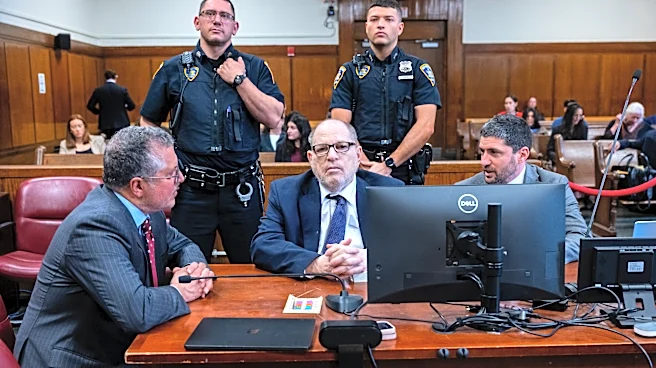
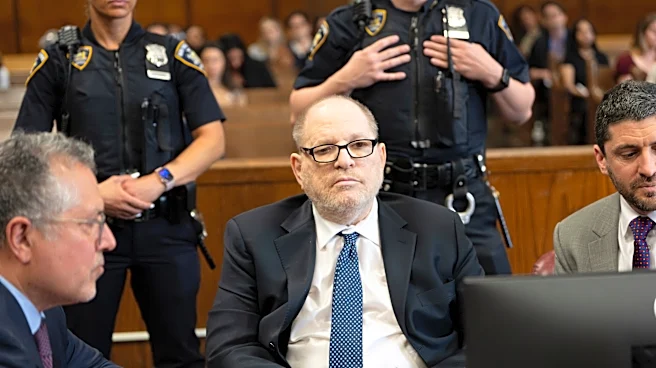
Shauki Abu Latif, the elected head of the Rama Local Council, has been convicted by the Haifa District Court for his involvement in a protection-money extortion scheme. The case involved the collection of protection money from factory owners in the Rama area,
who were subjected to gunfire, arson, and threats. Abu Latif, who was suspended from his position amid legal proceedings, admitted to assisting in extortion by threats, fraud, and breach of trust as part of a plea agreement. The indictment revealed that factory owners sought Abu Latif's help due to his position and family ties, hoping he could stop the violence. Instead, he relayed messages from the extortionists, demanding a reduced 'debt' of NIS 1 million to end the violence. The prosecution plans to seek an 11-month prison sentence, a suspended sentence, a fine, and a finding of moral turpitude against Abu Latif.
Why It's Important?
This conviction highlights the pervasive issue of protection-money extortion in certain regions, impacting local businesses and their operations. The involvement of a local council head in such activities underscores the challenges of corruption and abuse of power within local governance. For the factory owners, this case represents a significant breach of trust, as they turned to a public official for protection but were instead exploited. The broader implications include potential damage to the local economy and business environment, as such criminal activities can deter investment and growth. The case also raises questions about the effectiveness of law enforcement and the judicial system in addressing organized crime and protecting citizens.
What's Next?
The court has yet to sentence Abu Latif or determine whether his actions carried moral turpitude. The outcome of this case could influence future legal proceedings involving public officials and organized crime. It may also prompt increased scrutiny and reforms within local councils to prevent similar incidents. Stakeholders, including business owners and community leaders, may push for stronger protective measures and transparency in local governance to restore trust and ensure safety.