




What's Happening?
Minnesota is experiencing significant shifts in its immigration landscape, marked by a 'tornado of conversation' surrounding refugees, immigrants, and undocumented individuals, according to Rochelle King, State Refugee Coordinator and head of the Resettlement
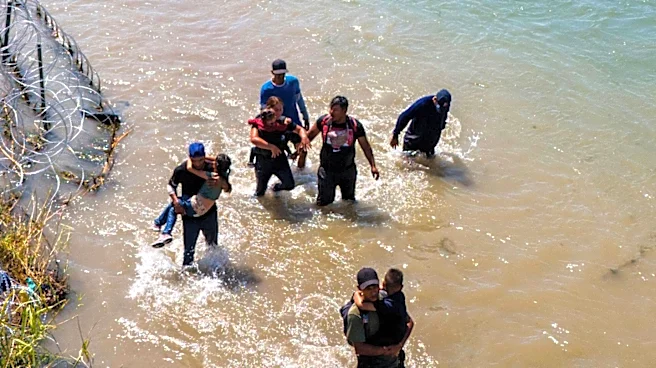
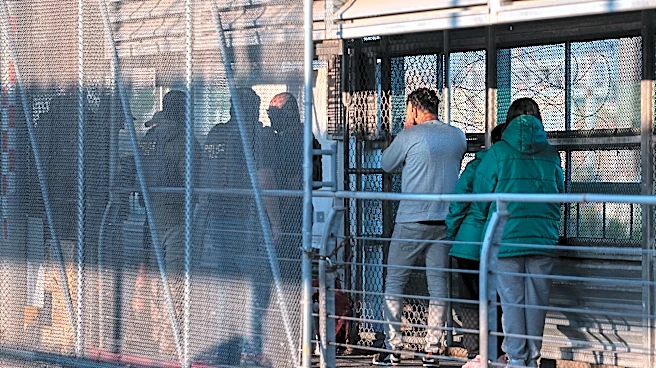
Programs Office at the Minnesota Department of Human Services. The state has a long history of refugee resettlement, dating back to 1975, and has recently allocated funding to expand legal and social services for foreign-born residents. However, federal policy changes, such as the ending of Temporary Protected Status (TPS) for many nationalities, are creating instability. Approximately 9,000 Minnesota residents with TPS or similar protections are at risk of losing their status, potentially becoming undocumented and subject to detention or removal. Additionally, the state faces a backlog of about 13,000 asylum cases, part of a national backlog exceeding 1 million, with new procedural hurdles making asylum approval increasingly difficult.
Why It's Important?
The evolving immigration policies and their impact on Minnesota are crucial for understanding the broader national implications for communities, economies, and social structures. The potential loss of legal status for thousands of residents could lead to increased undocumented populations, placing strain on social services and creating uncertainty for families and employers. The backlog in asylum cases and the lower approval rates signify a tightening of humanitarian protections, which could affect the demographic and economic contributions of immigrants to the state. Minnesota's commitment to supporting immigrants, as evidenced by recent funding and proclamations, stands in contrast to federal trends, highlighting a potential divergence in approach between state and national immigration policies. This situation underscores the need for clear, fair, and functional immigration systems to ensure community stability and economic participation.
What's Next?
As federal policies continue to reshape the immigration system, Minnesota will likely face ongoing challenges in integrating and supporting its foreign-born population. The state's efforts to provide legal and social services will become even more critical as more residents potentially lose their temporary protections. Advocacy for comprehensive immigration reform at the national level is expected to continue, aiming to address issues like the asylum backlog and the future of TPS. Local communities and organizations will need to adapt to these changes, providing resources and support to those affected by shifts in immigration status. The long-term impact on Minnesota's economy and culture will depend on how effectively the state can navigate these federal policy changes and continue its tradition of welcoming and integrating immigrants.
Beyond the Headlines
The discussion around immigration in Minnesota, particularly the distinction between 'immigrant' and 'undocumented,' reveals a deeper societal challenge in humanizing individuals beyond their legal status. Rochelle King's call to resist losing people's humanity in an immigration label points to the ethical imperative of treating all individuals with dignity and respect, regardless of their legal standing. The historical context of Minnesota's foreign-born population, which was significantly higher in the past, suggests that current anxieties about immigration may be rooted in contemporary political narratives rather than historical precedent. This situation also highlights the complex interplay between federal and state governance, where state-level initiatives to support immigrants can be undermined by national policy shifts, creating a fragmented and often contradictory experience for those seeking to build a life in the U.S.