









What's Happening?
Russia's defense ministry has announced preparations for large-scale attacks on Ukraine's energy infrastructure. This move is described as a retaliatory response to ongoing strikes by the Kyiv regime on civilian infrastructure and Russia's oil and energy complex.
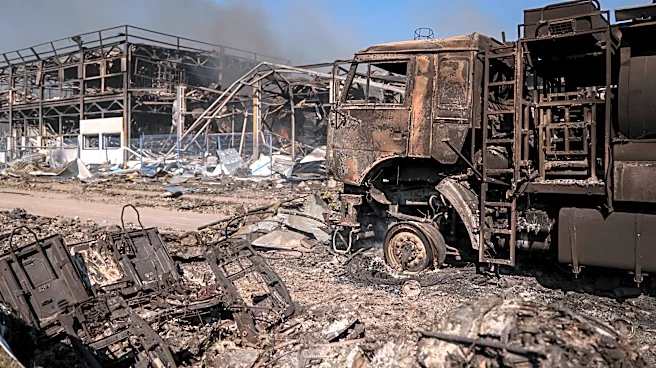
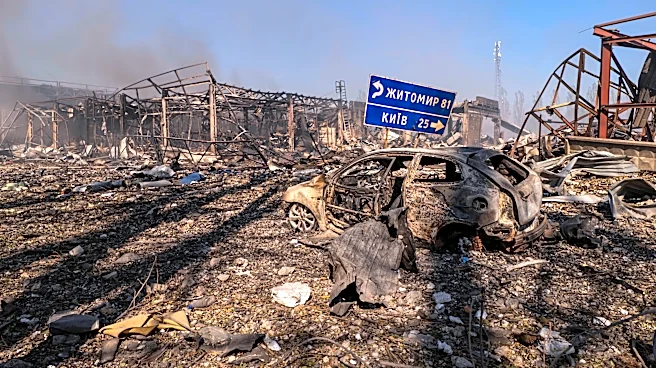
The announcement comes days after a Russian strike on an arms depot near Kyiv resulted in 38 deaths, making it the deadliest attack of the year, according to Ukrainian President Volodymyr Zelenskyy. Additionally, missile attacks in the Russian city of Belgorod killed two people and injured 16, while another person died in a Ukrainian attack on a mine in Russian-controlled Luhansk. These events follow a pattern from last winter when Russian forces repeatedly targeted Ukrainian power plants, causing widespread blackouts.
Why It's Important?
The planned 'massive strikes' on Ukraine's energy sector signal a significant escalation in the conflict, with potentially devastating humanitarian consequences. Targeting energy infrastructure during colder months could plunge millions of Ukrainians into darkness and cold, exacerbating an already dire humanitarian crisis. This strategy aims to cripple Ukraine's ability to sustain its population and military efforts, placing immense pressure on the Ukrainian government and its international allies. The tit-for-tat nature of these attacks, with both sides striking civilian and energy targets, indicates a dangerous cycle of escalation that could prolong the conflict and increase civilian casualties. The U.S. and its allies will likely face renewed calls for increased air defense systems and humanitarian aid to Ukraine to mitigate the impact of these anticipated attacks.
What's Next?
Ukraine is preparing for further talks with representatives of President Trump, as stated by President Zelenskyy, indicating ongoing diplomatic efforts amidst the escalating military actions. Ukraine is also seeking to accelerate a European Union loan to cover a $27 billion budget deficit and has tested four potential interceptors against Russia's increasingly prevalent jet-powered drones. These defensive measures and diplomatic engagements highlight Ukraine's multi-faceted approach to counter Russian aggression. The international community will be closely watching for the implementation of Russia's threatened strikes and the effectiveness of Ukraine's defensive and diplomatic responses. The coming weeks are likely to see intensified military activity and continued efforts to secure international support and resources for Ukraine.
Beyond the Headlines
The escalating attacks on energy infrastructure reflect a broader strategy of attrition, aiming to break the will of the Ukrainian population and undermine the country's economic stability. This tactic, reminiscent of historical siege warfare, uses modern means to inflict widespread suffering and disrupt daily life. The reliance on drones and missile strikes also highlights the evolving nature of modern warfare, where critical infrastructure becomes a primary target. The continued engagement with President Trump's representatives by Ukraine suggests a recognition of the U.S.'s pivotal role in the conflict, both in terms of military aid and potential diplomatic solutions. The humanitarian impact of these strikes extends beyond immediate casualties, leading to long-term health issues, displacement, and economic hardship, further entrenching the need for sustained international humanitarian efforts.