






What's Happening?
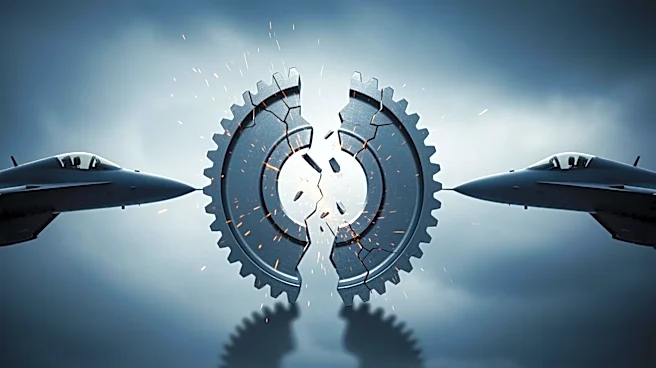
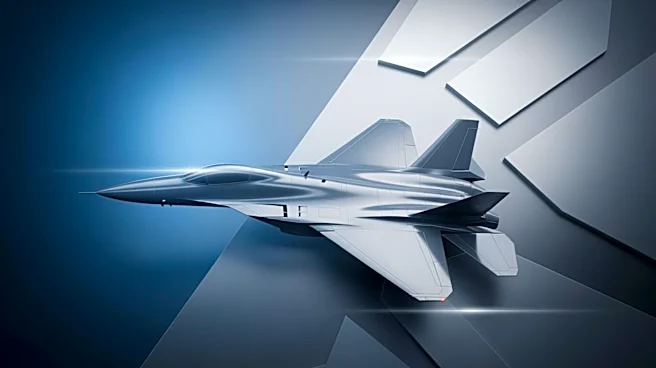
Following the collapse of the Future Combat Air System (FCAS) program, Germany is exploring new options for its next-generation fighter jets. Defense Minister Boris Pistorius has outlined three potential paths: purchasing additional F-35 jets from the United
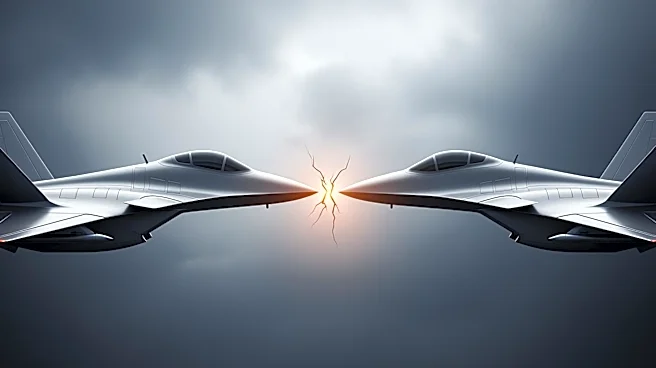
States, joining an existing international fighter program, or initiating a new program under German leadership with Airbus. The FCAS program, a joint effort with France and Spain, ended due to unresolved differences over intellectual property and military requirements. Germany had already planned to purchase 15 F-35 jets from the U.S., and this plan is now being reconsidered as a temporary solution.
Why It's Important?
The end of the FCAS program marks a significant shift in European defense collaboration, highlighting challenges in multinational defense projects. Germany's decision on its next-generation fighter jets will have implications for its defense strategy and international partnerships. The potential purchase of more F-35s could strengthen ties with the U.S. defense industry, while a new program with Airbus could bolster European defense capabilities. The outcome will affect Germany's military readiness and its role in NATO and European defense initiatives.
What's Next?
Germany will need to make a decision on its fighter jet strategy soon, balancing the need for advanced capabilities with budgetary constraints and international partnerships. Discussions with Airbus and other potential partners will continue as Germany evaluates its options. The decision will likely influence future defense collaborations in Europe and could set a precedent for how multinational defense projects are managed.