





What's Happening?
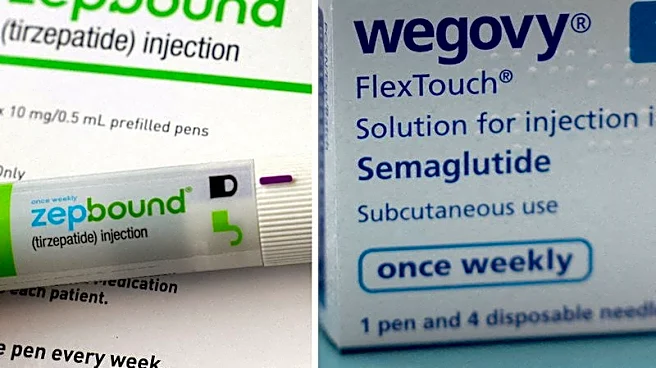
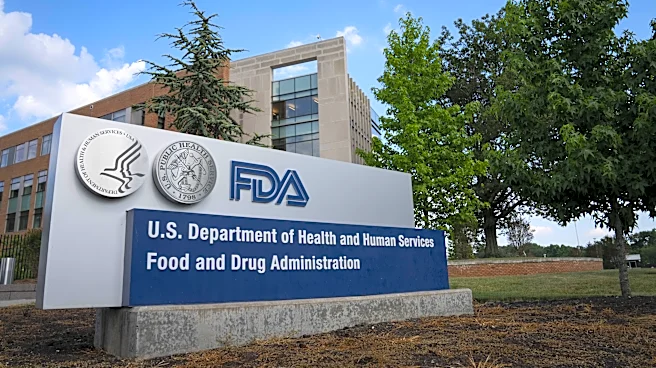
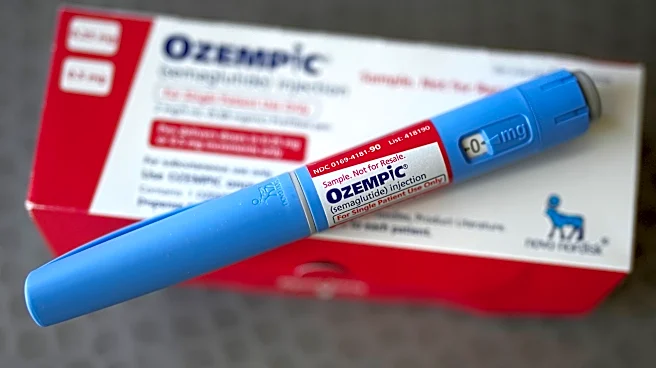
The U.S. Food and Drug Administration (FDA) is requiring manufacturers of Glucagon-Like Peptide-1 Receptor Agonist (GLP-1 RA) medications to update their product labeling. This mandate stems from a potential increased risk of non-arteritic anterior ischemic
optic neuropathy (NAION), a rare but serious eye condition that can lead to acute, painless vision decrease in one eye, including permanent vision loss. The FDA's decision follows a comprehensive evaluation of clinical trial data, animal data, and postmarketing reports, including observational studies and case reports. While initial reports were challenging to interpret due to overlapping risk factors for NAION and conditions treated by GLP-1 RAs, further analysis indicated a potential association. The agency's meta-analysis of 126 clinical trials showed a NAION incidence rate of 6.4 events per 100,000 patient-years in GLP-1 RA users compared to 3.8 events per 100,000 patient-years in comparator groups. Additionally, a retrospective cohort study by the FDA observed an increased risk of NAION with GLP-1 RAs compared to DPP-4 inhibitors. Cases of NAION have been reported across all currently marketed GLP-1 RA products.
Why It's Important?
This FDA mandate is significant for both patients and healthcare providers. For patients currently using or considering GLP-1 RA medications for type 2 diabetes or weight management, it introduces a new, albeit rare, potential risk that must be considered. The inclusion of NAION in the 'Warnings and Precautions' section of drug labels will ensure that healthcare professionals are aware of this potential adverse event and can counsel patients accordingly. This could lead to more thorough patient screenings for pre-existing eye conditions or risk factors for NAION before prescribing GLP-1 RAs. For pharmaceutical companies, this requires immediate action to update product information, potentially impacting prescribing patterns and patient education materials. The FDA's rigorous review process underscores its commitment to drug safety, even for widely used and effective medications. The findings also highlight the ongoing need for post-market surveillance and continuous evaluation of drug safety profiles as more real-world data becomes available.
What's Next?
Following the FDA's requirement, manufacturers of all GLP-1 RA medications will update their drug labels to include information about the potential increased risk of NAION. Healthcare providers will need to familiarize themselves with this updated safety information and incorporate it into their patient consultations. This may involve discussing the symptoms of NAION with patients, advising them to seek immediate medical attention if they experience sudden vision changes, and potentially considering ophthalmological evaluations for patients with pre-existing risk factors for NAION. Patients using GLP-1 RAs should be informed about this potential risk and encouraged to report any visual disturbances to their doctor promptly. Further research may also be initiated to better understand the underlying mechanisms linking GLP-1 RAs to NAION and to identify specific patient populations that might be at higher risk.
Beyond the Headlines
The FDA's action reflects a broader trend in pharmacovigilance, where continuous monitoring and analysis of real-world data are crucial for identifying rare adverse events that may not be apparent in initial clinical trials. The challenge in interpreting adverse event reports, especially when risk factors for the condition overlap with the patient population's underlying health issues, highlights the complexity of drug safety assessment. This situation also underscores the importance of patient reporting and the role of observational studies in complementing controlled clinical trial data. The requirement for label changes, even for a rare condition, reinforces the principle that comprehensive risk-benefit assessments are dynamic and evolve as more information becomes available. This could also prompt a re-evaluation of how certain patient populations, particularly those with pre-existing ocular conditions or vascular risk factors, are managed when prescribed GLP-1 RAs.