


What's Happening?
Israeli diplomats in Kyiv are facing severe conditions as massive Russian attacks on civilian infrastructure have left hundreds of thousands of homes without electricity, heating, and running water. Despite the harsh winter, with temperatures dropping
to around -18°C, Israeli embassy staff continue their operations, even receiving visitors. The situation has forced many residents to leave the Ukrainian capital, while those remaining endure extreme cold and darkness. The Israeli ambassador to Ukraine, Michael Brodsky, described this winter as the hardest since the war began, with the destroyed infrastructure threatening to turn Kyiv into a ghost town. Emergency services are operating under full protocols, and mobile heating stations are being deployed to essential facilities.
Why It's Important?
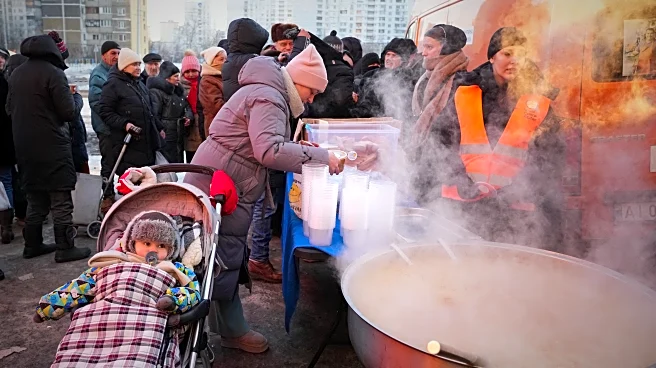
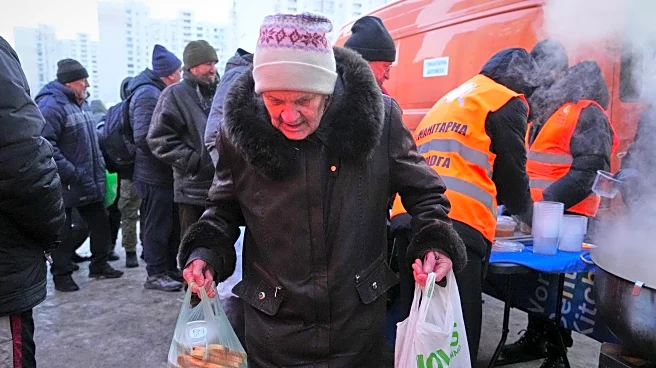
The ongoing conflict and infrastructure damage in Kyiv highlight the severe humanitarian crisis affecting millions of residents, including vulnerable groups like the elderly and children. The Israeli diplomats' perseverance under these conditions underscores the international community's commitment to supporting Ukraine amidst the conflict. The situation also emphasizes the broader geopolitical tensions and the impact of military actions on civilian populations. The resilience of the Jewish community, providing emergency supplies and shelter, reflects the critical role of community networks in crisis response. This development could influence international diplomatic relations and humanitarian aid strategies.
What's Next?
As the situation in Kyiv remains dire, further international support and humanitarian aid are likely to be mobilized to assist those affected by the infrastructure collapse. The Israeli embassy and Jewish community networks will continue to provide essential services and support to residents. The Ukrainian government and international allies may increase efforts to restore infrastructure and ensure the safety of civilians. The ongoing conflict and its impact on civilian life could prompt further diplomatic discussions and potential interventions to address the humanitarian needs and seek resolutions to the conflict.