






What's Happening?
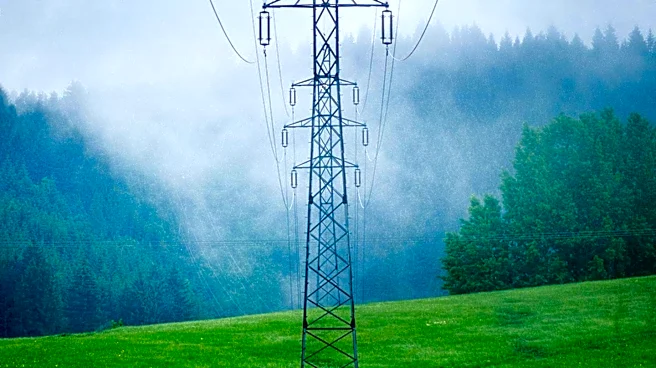
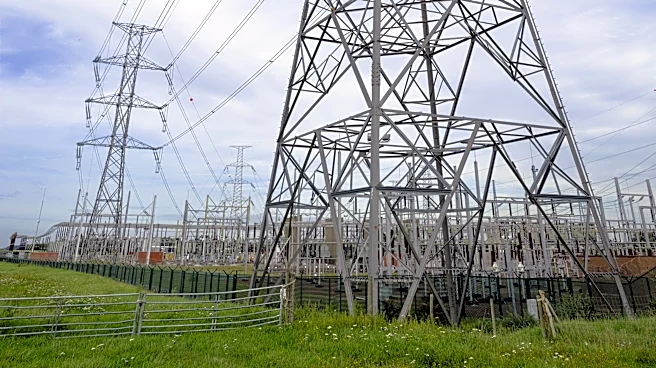
U.S. utilities are increasingly adopting reconductoring, a method of upgrading existing high-voltage alternating current (HVAC) transmission lines with advanced conductors, to significantly increase grid capacity. This approach allows for a 50% to 110%
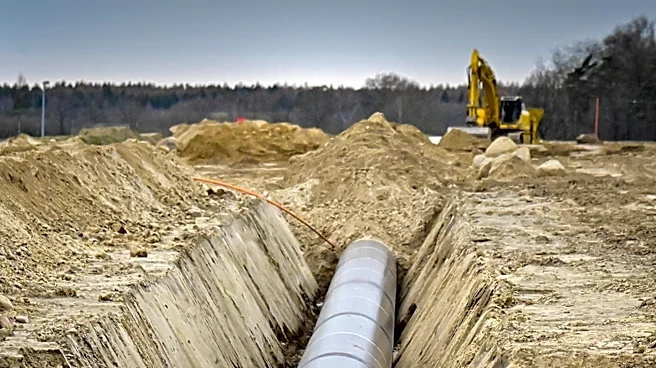
increase in power transmission on existing towers within 18 to 36 months, a much faster timeline than the 10 to 15 years required for building new transmission lines due to permitting and land acquisition challenges. A 2024 GridLab analysis indicates that reconductoring could deliver nearly four times more new grid transmission capacity by 2035 compared to building new lines alone. The U.S. Department of Energy further supports this shift, announcing $1.9 billion in September 2026 for 31 projects under its SPARK program, which, combined with project sponsor contributions, totals approximately $5.3 billion. This investment aims to reconductor or rebuild over 1,500 miles of HVAC transmission lines and deploy grid-enhancing technologies across nearly 21,000 additional miles, projected to add 23 GW of transmission capacity on existing rights-of-way. However, this rapid expansion within shared utility corridors, which often house both power lines and oil and gas pipelines, raises concerns about increased AC interference on buried pipelines, potentially affecting personnel safety and pipeline integrity.
Why It's Important?
The widespread adoption of reconductoring is crucial for modernizing the U.S. electrical grid, enabling faster and more efficient integration of new energy sources and improving overall grid reliability. By leveraging existing infrastructure, utilities can circumvent lengthy regulatory processes and land acquisition hurdles, accelerating the deployment of critical transmission capacity. This is vital for supporting economic growth and meeting increasing energy demands across the nation. However, the increased current-carrying capacity of reconductored lines can exacerbate AC interference on co-located oil and gas pipelines. This interference poses two significant risks: potential shock hazards for personnel working near pipelines and accelerated corrosion of pipeline infrastructure. Federal regulations, such as 49 CFR 192.473(c), mandate interference surveys for onshore gas transmission operators when new stray-current sources, including HVAC power lines with increased voltage or added lines, appear. The need for early coordination between electric utilities and pipeline operators is paramount to mitigate these risks, ensuring both energy security and public safety.
What's Next?
The focus will be on enhanced coordination and planning between electric utilities and pipeline operators to address the challenges posed by reconductoring within shared corridors. This includes early notification of planned upgrades, sharing load data, jointly modeling interference before re-energizing lines, and budgeting for necessary mitigation measures. Technical guidance from organizations like IEEE and NACE will play a critical role in developing best practices for managing AC interference. For instance, the example of Southern California Edison and SoCalGas collaborating on AC mitigation work for the Lugo-Mohave transmission line upgrade highlights the proactive steps being taken. Future projects will likely incorporate comprehensive corridor-wide planning, considering the impact on all co-located assets and communities. This may involve installing grounding systems or gradient-control wires, which could require ground disturbance and landowner involvement. Continued monitoring and surveys before and after reconductoring projects will be essential to confirm the effectiveness of mitigation strategies and ensure the long-term integrity and safety of both power lines and pipelines.
Beyond the Headlines
The shift towards reconductoring underscores a broader strategic imperative in U.S. infrastructure development: maximizing efficiency and capacity within existing footprints. This approach reflects a growing recognition of the environmental and logistical complexities associated with new construction. However, it also highlights the intricate interdependencies within critical infrastructure systems. The potential for AC interference on pipelines, while a technical challenge, also brings to light the need for integrated regulatory frameworks and inter-agency cooperation that transcend traditional industry silos. This situation could catalyze the development of more holistic 'utility corridor management' strategies, where the entire right-of-way is considered a single, interconnected ecosystem. Such an approach could lead to innovations in shared infrastructure design, advanced monitoring technologies, and collaborative risk assessment models, ultimately fostering a more resilient and sustainable national infrastructure network. The ethical dimension of ensuring safety for both utility workers and the public, alongside the economic imperative of maintaining critical energy flows, will continue to drive these collaborative efforts.