
What's Happening?
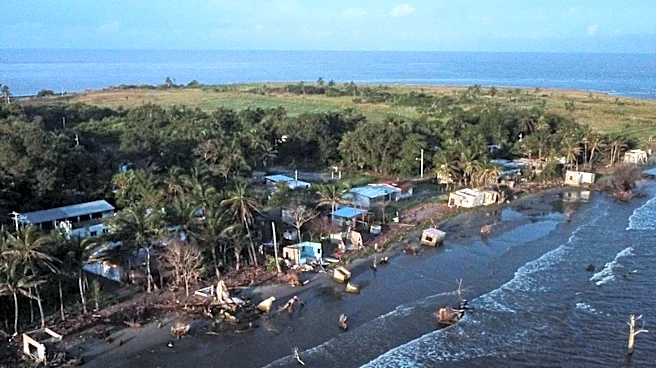
In Shaanxi province, northwestern China, severe flooding has led to the evacuation of over 25,000 residents within 24 hours. The floods have caused significant damage to roads, bridges, and disrupted power
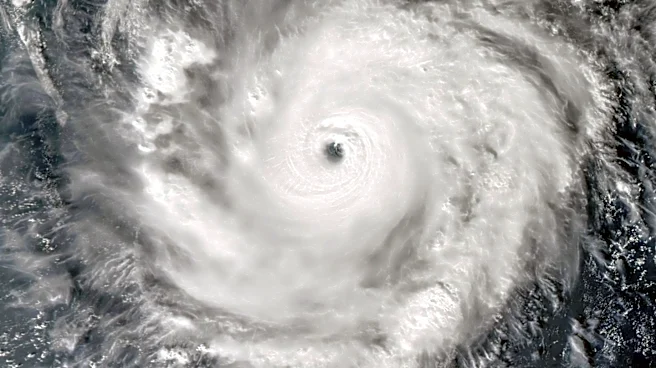
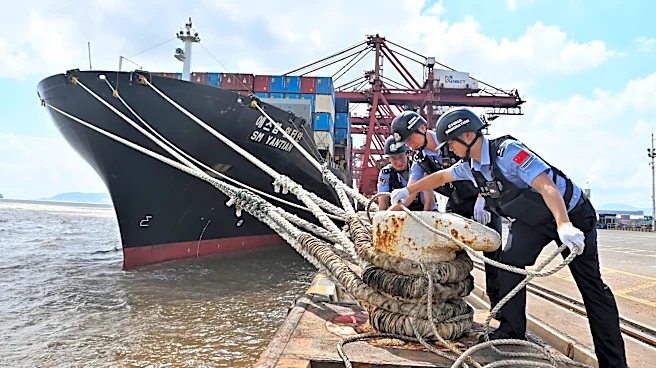
and communication systems. This crisis precedes the expected arrival of Typhoon Dolphin, which is forecasted to strike China's eastern seaboard between August 9 and August 10. The ongoing heavy rains and the impending typhoon pose a compounded threat to the region, with potential for further evacuations and infrastructure damage.
Why It's Important?
The flooding and the approaching typhoon highlight the increasing frequency and intensity of extreme weather events, which pose significant challenges to public safety and infrastructure. The damage to roads and bridges can severely hinder rescue operations and the delivery of essential supplies, exacerbating the crisis. The situation underscores the need for effective disaster management strategies and infrastructure resilience to cope with such natural disasters. The economic impact could be substantial, affecting local businesses and agriculture, and straining emergency services.
What's Next?
As Typhoon Dolphin approaches, Chinese authorities are likely to intensify their emergency response efforts, including further evacuations and the deployment of resources to affected areas. The focus will be on minimizing casualties and damage, with potential long-term implications for infrastructure planning and disaster preparedness. The situation may also prompt discussions on climate change adaptation and the need for international cooperation in addressing the challenges posed by extreme weather events.