


What's Happening?
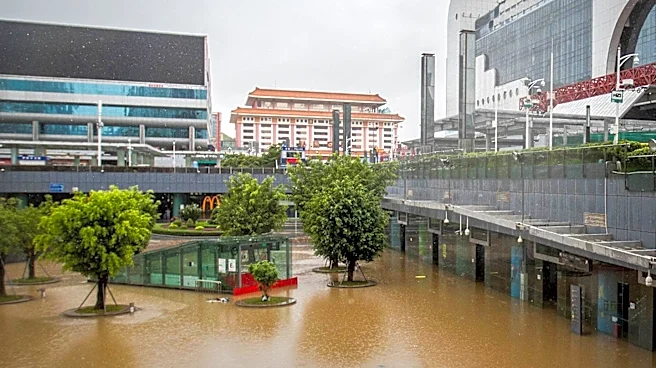
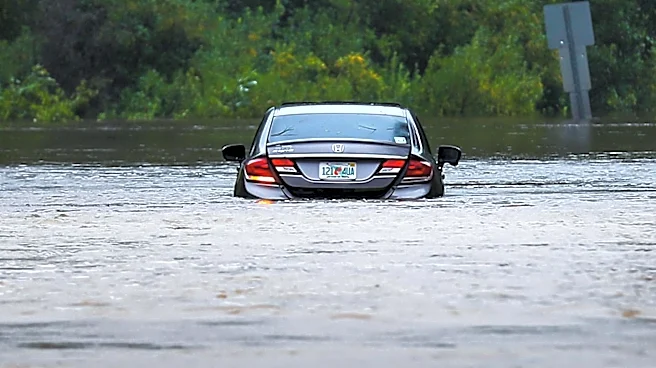
West Virginia is grappling with catastrophic flooding after severe storms dumped over 7 inches of rain in parts of the state. Governor Patrick Morrisey declared a state of emergency across all counties, and the National Weather Service issued a Flash
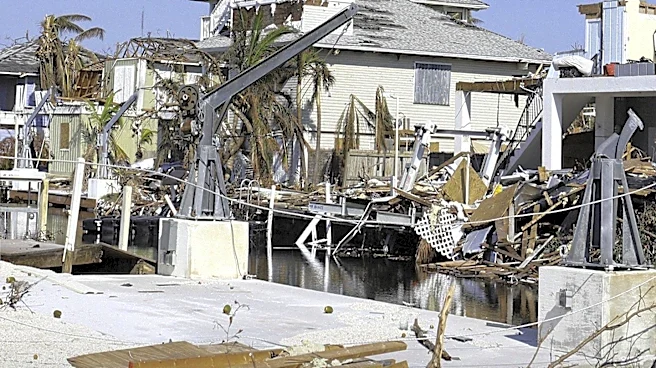
Flood Emergency. The flooding has led to widespread damage to infrastructure, homes, and roads, particularly in Lewis, Randolph, and Upshur counties. The West Virginia Division of Natural Resources has conducted numerous water rescues, and local officials have issued evacuation orders in affected areas. The situation remains critical, with ongoing rescue operations and road closures.
Why It's Important?
The flooding in West Virginia is a stark reminder of the challenges posed by extreme weather events. The state's emergency response capabilities are being tested, and the economic impact on local communities could be significant. The event underscores the need for robust infrastructure and disaster preparedness plans. It also highlights the potential consequences of climate change, as such events are becoming more frequent and severe. The response to this disaster will be closely watched as a measure of the state's ability to handle large-scale emergencies.
What's Next?
Efforts will continue to focus on rescue operations and providing aid to those affected by the flooding. The state may request additional federal assistance to support recovery efforts. Long-term plans will likely involve rebuilding damaged infrastructure and implementing measures to mitigate future flood risks. Residents are urged to stay informed and follow official guidance as the situation develops. The state will also need to assess the broader implications of this disaster on its emergency management strategies.