






What's Happening?
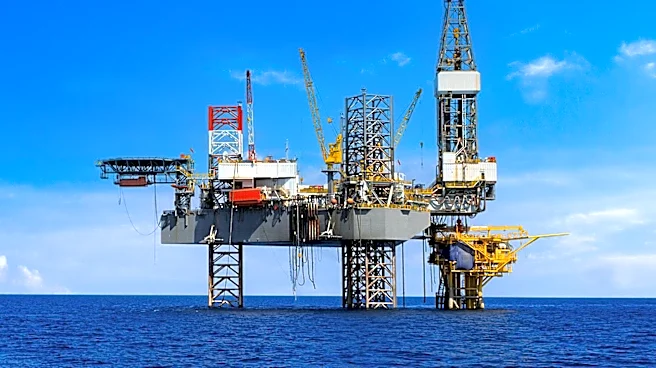
Former U.S. special envoy to Afghanistan, Zalmay Khalilzad, visited Kabul on September 7 for the signing of an oil and gas agreement between a Saudi energy group and the Taliban authorities. During his visit, Khalilzad also met with the Taliban's foreign
minister, Amir Khan Muttaqi. The United States government has publicly distanced itself from Khalilzad's trip, stating that he is not a U.S. government employee and does not represent the U.S. government. This visit and the associated deal have drawn scrutiny, particularly as it occurred on the eve of the 25th anniversary of 9/11. The U.S. does not recognize the Taliban as the legitimate government of Afghanistan and continues to designate the Taliban as a Specially Designated Global Terrorist (SDGT) group. The State Department has urged private companies to exercise extreme caution when conducting business in Afghanistan to ensure compliance with U.S. law and regulations.
Why It's Important?
The U.S. government's swift disavowal of Khalilzad's actions underscores the complex and sensitive nature of engagement with the Taliban. While the Taliban seeks foreign investment and international legitimacy, the U.S. maintains a firm stance against recognizing their government due to their designation as a terrorist group and their human rights record. Khalilzad's involvement, despite his non-governmental status, raises questions about potential back-channel communications and the perception of U.S. validation for the Taliban. This situation highlights the ongoing challenges in U.S. foreign policy regarding Afghanistan, particularly concerning economic engagement and counter-terrorism efforts. The potential for billions of dollars in investment through the oil and gas deal could provide significant financial resources to the Taliban, which could complicate international efforts to isolate the regime and pressure them on human rights and counter-terrorism.
What's Next?
The U.S. government is likely to continue monitoring any business dealings with the Taliban closely, reiterating its warnings to private companies about the risks and legal implications of such transactions. There may be calls for congressional hearings or further investigations into Khalilzad's activities, given his past role in negotiating the U.S. withdrawal agreement with the Taliban. The Taliban will likely continue to seek foreign investment and international recognition to bolster its economy and legitimacy, potentially through similar deals. The international community will face ongoing pressure to balance humanitarian concerns and the need for stability in Afghanistan with the imperative to prevent the Taliban from gaining undue influence or resources that could be used to support terrorism or suppress human rights.
Beyond the Headlines
This event touches upon deeper ethical and strategic dilemmas for the U.S. and its allies. The presence of a former high-ranking U.S. official engaging with a designated terrorist group, even in a private capacity, blurs the lines of official policy and can be perceived as tacit approval. This raises questions about the accountability of former government officials and the potential for their private actions to undermine national foreign policy objectives. Furthermore, the pursuit of economic opportunities in Afghanistan, such as the oil and gas deal, highlights the tension between economic interests and human rights concerns. The long-term implications could include a gradual erosion of the international community's united front against the Taliban, potentially leading to increased legitimacy and resources for a regime that has severely curtailed the rights of women and girls and continues to be associated with terrorist organizations.