



What's Happening?
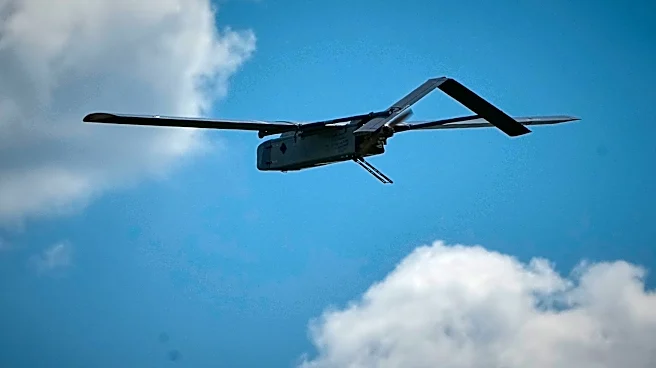
In Moscow, conscripts are being offered the option to sign a one-year contract to serve in the unmanned systems forces as an alternative to mandatory military service. Moscow Military Commissar Maxim Loktev stated that this contract fulfills the draft
obligation. Recruitment efforts include allowing potential recruits to try flying drones at registration centers. Priority for positions as UAV operators, engineers, and technicians is given to individuals with experience in IT, electronics, radio engineering, and model aircraft construction. The Russian Ministry of Defense announced the creation of these unmanned systems forces in November 2025, focusing on young people. Hundreds of educational institutions across Russia, including leading universities, are involved in the recruitment drive, with administrations reportedly instructed to enlist at least 2% of their students. Universities are promising cash payments, free tuition, a one-year term of service, and assurances that recruits will be stationed far from the front lines.
Why It's Important?
This initiative highlights Russia's strategic shift towards modernizing its military capabilities, particularly in unmanned systems, and its aggressive recruitment tactics to meet these goals. The emphasis on attracting young people, especially those with technical skills, indicates a long-term investment in drone warfare and related technologies. The promises of financial incentives and educational benefits are designed to make military service more appealing, potentially drawing a new generation into the armed forces. However, the discrepancy between these promises and the reality of service, as noted by human rights activists regarding automatic contract extensions during mobilization and potential transfers to assault units, raises significant concerns about the welfare and safety of these recruits. The reported deaths of students who signed such contracts underscore the risks involved, despite assurances of being stationed away from front lines.
What's Next?
The Russian Ministry of Defense aims to recruit approximately 80,000 individuals into the unmanned systems forces by the end of 2026, although only 8,000 were recruited in the first half of the year. This suggests an intensified recruitment drive is likely in the coming months. The ongoing efforts to enlist students from educational institutions will continue, potentially expanding the pool of technically skilled personnel. Human rights organizations are expected to continue monitoring the conditions and deployment of these contract soldiers, particularly concerning the automatic extension of contracts and the risk of transfer to combat zones. The effectiveness of these recruitment strategies and the actual deployment of these forces will be closely watched, especially in the context of ongoing military operations.
Beyond the Headlines
This development reflects a broader global trend in military modernization, where unmanned systems are becoming increasingly central to defense strategies. Russia's aggressive push to integrate these forces and recruit young, tech-savvy individuals could have long-term implications for the nature of warfare and military training. The ethical considerations surrounding the recruitment of students with promises that may not align with the realities of military service, particularly in a conflict zone, are profound. It also raises questions about the role of educational institutions in military recruitment and the potential for exploitation of young people seeking educational and financial opportunities. The emphasis on drone technology also points to a future where remote warfare and technological superiority play an even more decisive role in international conflicts.