







What's Happening?
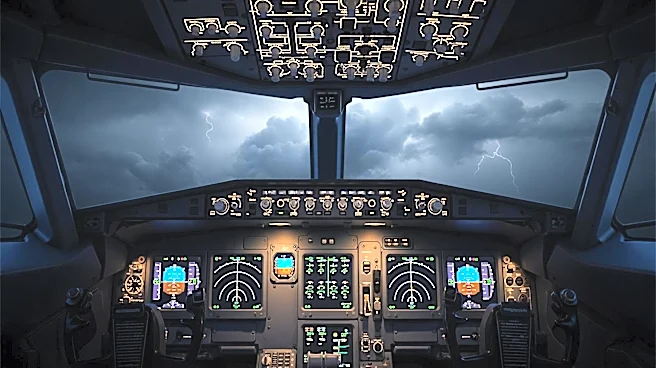
The International Federation of Air Line Pilots’ Associations (IFALPA) has issued a position paper advocating for pilots to have the ultimate authority to refuse flying over or within conflict zones without being subjected to commercial pressures. This
call comes in response to the ongoing Iran conflict, which has significantly disrupted airspace across the Middle East, posing increased safety risks due to drone and missile attacks. The IFALPA emphasizes that the decision of a flight commander regarding rerouting or refusing to fly over conflict zones should be final and free from financial or career-related repercussions. The organization highlights the mental and emotional strain such operations can impose on pilots. Airlines like Emirates and Qatar Airways have adjusted their operations, with Emirates operating at 69% and Qatar Airways at 26% of their normal capacity, respectively. The United Arab Emirates has established 'safe corridors' for flights, although disruptions continue. The United Nations aviation agency has condemned Iran for airspace violations affecting civil aviation safety.
Why It's Important?
This development underscores the critical need for enhanced safety protocols in aviation, particularly in conflict zones. By advocating for pilots' autonomy in decision-making, IFALPA aims to prioritize safety over commercial interests, potentially setting a precedent for how airlines operate in volatile regions. The ongoing disruptions in the Middle East airspace highlight the broader implications for global aviation safety and the operational challenges airlines face. The situation also reflects the geopolitical tensions in the region, with Iran's actions drawing international condemnation. The outcome of these discussions could influence future aviation policies and the balance between safety and commercial viability, impacting airlines' operational strategies and pilots' working conditions.
What's Next?
The IFALPA's position may prompt airlines to reevaluate their operational policies in conflict zones, potentially leading to industry-wide changes in how flight safety is managed. The United Nations aviation agency's condemnation of Iran's actions could lead to further diplomatic discussions and potential sanctions. Airlines might need to implement additional safety measures, such as augmented crew rostering and post-flight support for pilots operating in high-risk areas. The ongoing geopolitical tensions in the Middle East will likely continue to affect aviation operations, necessitating continuous monitoring and adaptation by airlines and regulatory bodies.