




What's Happening?
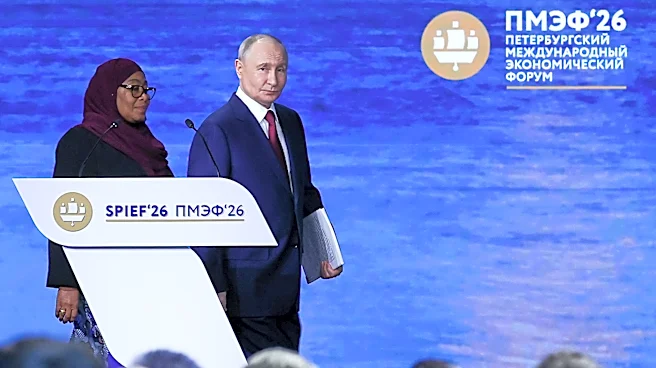
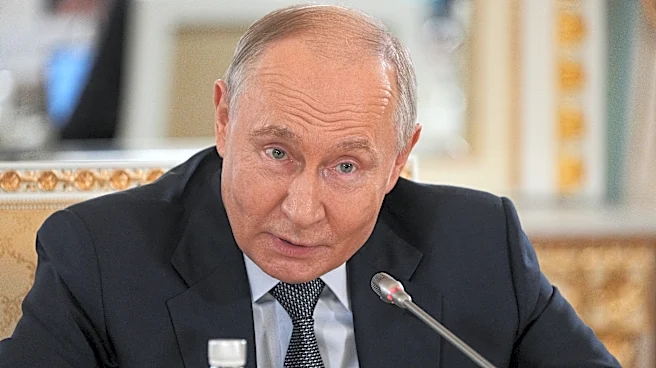
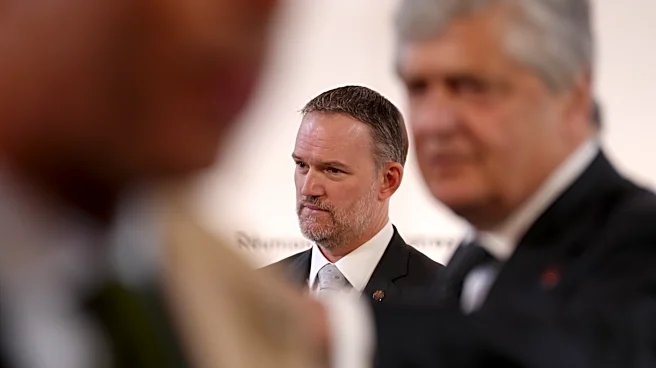
During the 29th St. Petersburg International Economic Forum, Russian President Vladimir Putin emphasized the growing economic influence of the BRICS nations, which include Brazil, Russia, India, China, and South Africa. Putin noted that these countries
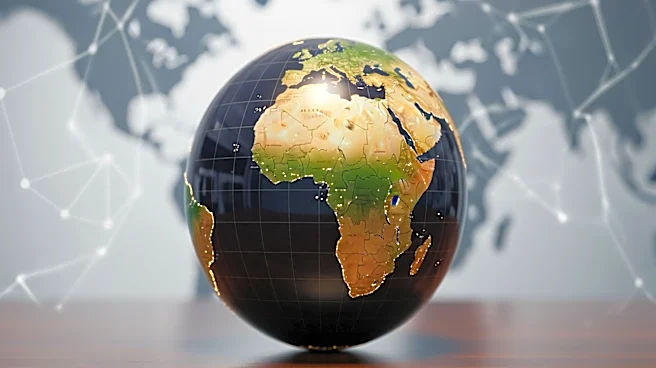
now account for nearly half of global economic growth and have significantly increased their share of global merchandise trade. The BRICS bloc, according to Putin, represents about 40% of global GDP when measured by purchasing power parity. The forum also highlighted Africa's potential as a future economic powerhouse, with Tanzanian President Samia Suluhu Hassan pointing out the continent's demographic and economic trajectory. She emphasized that by 2050, Africa will be home to one in four people globally, and the African Continental Free Trade Area is set to become the world's largest market by population.
Why It's Important?
The developments discussed at the forum underscore a significant shift in global economic power towards emerging economies. The BRICS nations' increasing share of global trade and their role in high-tech industries indicate a redistribution of economic capabilities away from traditional Western economies. Africa's potential as a major economic player is also noteworthy, as its growing middle class and strategic initiatives like the African Continental Free Trade Area could redefine global trade dynamics. This shift could lead to new economic alliances and trade networks, impacting global markets and investment flows. The emphasis on Africa's role suggests a future where the continent is not just a destination for investment but a key player in shaping global economic trends.
What's Next?
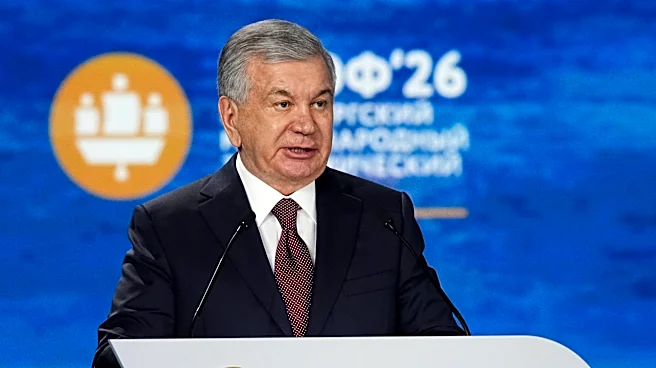
As BRICS nations continue to expand their influence, further collaborations and investments in technology, trade, and infrastructure are expected. The forum highlighted ongoing projects, such as the construction of a nuclear power plant in Uzbekistan, a BRICS partner state. These developments suggest a continued focus on strengthening economic ties within the bloc and with other emerging economies. For Africa, the focus will likely be on leveraging its demographic advantages and strategic initiatives to attract more investment and drive economic growth. The discussions at the forum indicate a future where emerging economies play a more central role in global economic governance and decision-making.
Beyond the Headlines
The forum's discussions reflect a broader theme of emerging economies seeking to define their own growth models and trade networks. This shift could lead to a more multipolar world where economic power is more evenly distributed. The emphasis on Africa's role also highlights the continent's potential to influence global economic trends, particularly as it develops its own frameworks for growth and development. The strategic relationships emerging across the Global South, as seen in the partnerships between Russia and Uzbekistan, suggest a future where these economies collaborate more closely to achieve mutual growth and development goals.