




What's Happening?
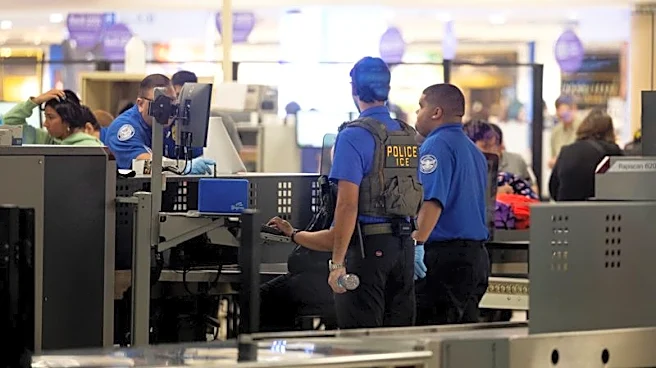
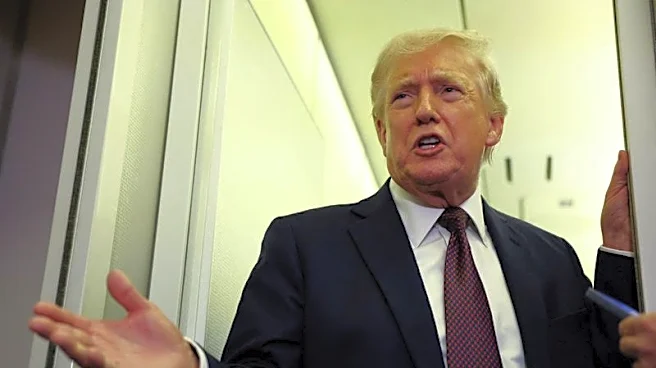
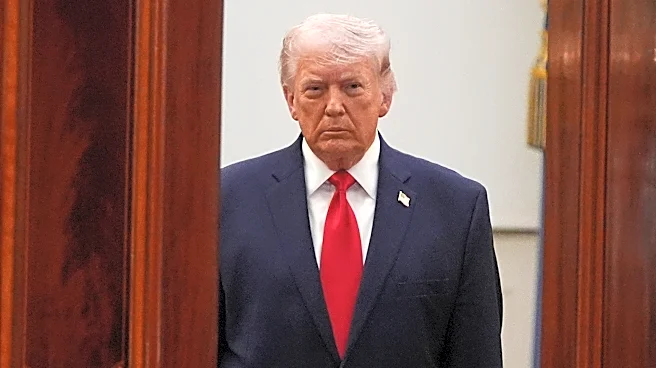
President Donald Trump has proposed a plan to begin privatizing airport security operations currently managed by the Transportation Security Administration (TSA). This proposal is part of a broader effort to reduce federal spending, with the White House
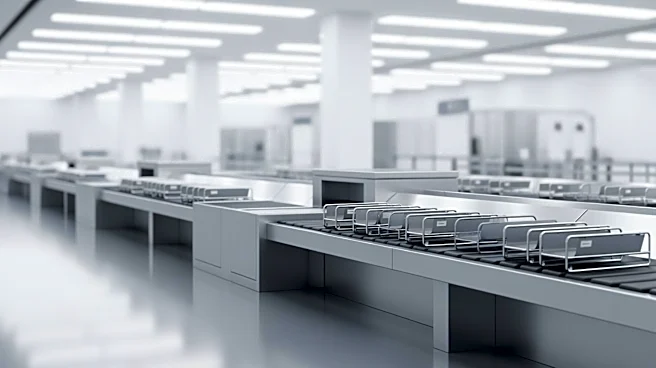
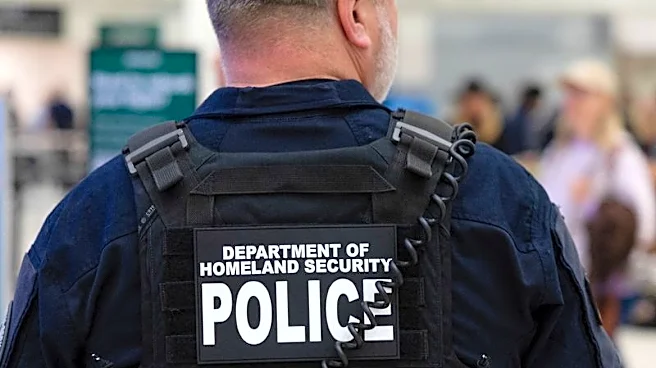
budget suggesting a $52 million cut to TSA funding. The plan would require small airports to use private screeners, a move that the administration claims could lead to cost savings. The TSA, which employs around 50,000 federal workers, has faced criticism from President Trump for inefficiencies and privacy concerns. The proposal comes at a time when the TSA is dealing with staffing challenges and increased air travel demands.
Why It's Important?
The proposed privatization of TSA operations could have significant implications for airport security and federal employment. Privatization may lead to cost savings and reduce the TSA's involvement in congressional budget disputes. However, it also raises concerns about the consistency and quality of security measures at airports. The transition to private screeners could impact the job security of thousands of TSA employees and alter the dynamics of airport security management. Additionally, the proposal comes amidst ongoing concerns about air safety and staffing shortages, which could be exacerbated by changes in TSA operations.
What's Next?
If the proposal moves forward, there will likely be debates in Congress regarding the potential benefits and drawbacks of privatizing TSA operations. Lawmakers and stakeholders in the aviation industry may weigh in on the implications for security, efficiency, and employment. The administration may also need to address concerns about maintaining high security standards and managing the transition to private screeners. The outcome of these discussions could shape the future of airport security management in the U.S.