

What's Happening?
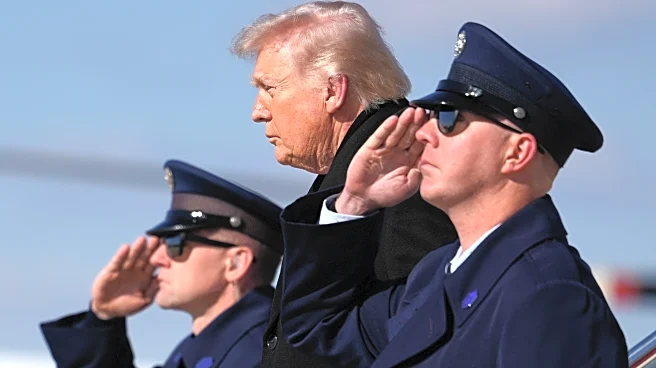
President Trump is navigating complex political dynamics as he seeks congressional support for the ongoing conflict with Iran. Despite having initiated military actions without congressional approval, Trump now requires Congress to authorize a $200 billion
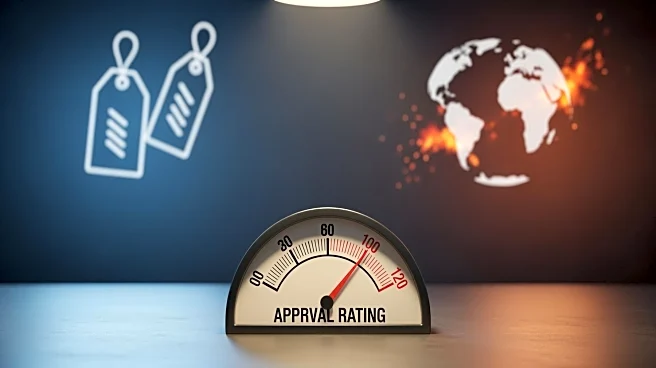
emergency spending bill for the war. This request comes amid growing public disapproval of the conflict, with recent polls indicating a majority of Americans oppose the military actions. Lawmakers have expressed frustration over the lack of clarity regarding the war's justification and strategy. Trump's administration faces the challenge of convincing Congress and the public of the necessity and direction of the military campaign.
Why It's Important?
The situation underscores the tension between executive and legislative powers in the U.S. government, particularly concerning war-making authority. Trump's need for congressional approval highlights the importance of legislative support in sustaining military operations. The public's skepticism and the potential political fallout for lawmakers add pressure on the administration to justify its actions. The outcome of this situation could influence U.S. foreign policy and military strategy, as well as impact domestic political dynamics, especially with upcoming elections.
What's Next?
The administration will likely intensify efforts to secure congressional approval for the emergency spending bill. This may involve strategic communication to address lawmakers' concerns and sway public opinion. The ongoing negotiations with Iran and the potential for a ceasefire or peace talks will also play a critical role in shaping future actions. The administration's ability to manage these complex dynamics will be crucial in determining the conflict's trajectory and its implications for U.S. foreign policy.