


What's Happening?
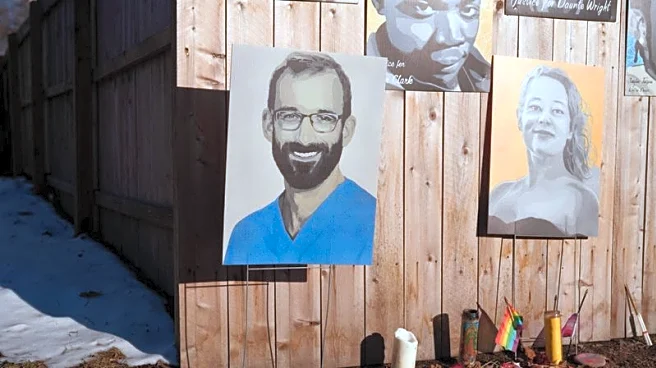
The state of Minnesota has filed a lawsuit against the Trump administration, seeking access to federal investigation materials related to the shootings of Alex Pretti and Renee Good by federal agents during an immigration enforcement operation in Minneapolis.
The lawsuit also demands records concerning a third, non-fatal shooting involving federal agents. Minnesota officials claim that federal authorities have refused to share crucial information about these incidents, which occurred amid a significant immigration crackdown. Attorney General Pam Bondi and outgoing Homeland Security Secretary Kristi Noem are named as defendants in the lawsuit. The legal action highlights tensions between state and federal authorities over transparency and accountability in law enforcement operations.
Why It's Important?
This lawsuit underscores the ongoing debate over federal immigration enforcement practices and their impact on local communities. The Trump administration's deployment of federal officers to Minneapolis was part of a broader strategy to intensify immigration enforcement, which has faced criticism for its aggressive tactics. The refusal to share investigative materials with Minnesota authorities raises concerns about accountability and the potential shielding of federal agents from scrutiny. The outcome of this legal battle could set a precedent for how states can demand transparency and cooperation from federal agencies in similar cases, affecting future immigration enforcement operations and intergovernmental relations.
What's Next?
The lawsuit seeks various forms of relief, including a court declaration that the federal government's policy of withholding investigative materials is unlawful. If successful, Minnesota could gain access to evidence and materials related to the shootings, potentially leading to further investigations and accountability measures. The case may prompt other states to challenge federal practices that they perceive as obstructive or unjust, influencing national discussions on immigration enforcement and state-federal cooperation.