







What's Happening?
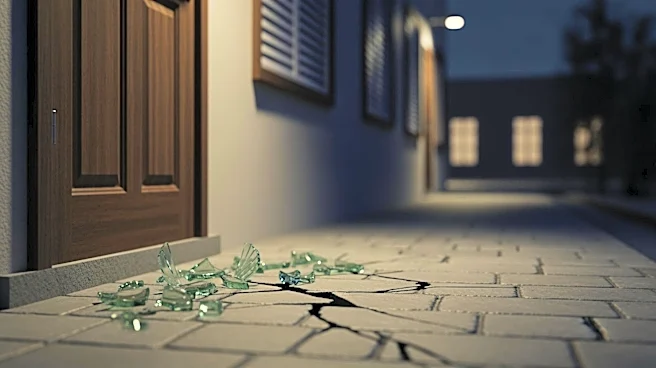
In Israel, the home of Supreme Court Deputy President Noam Sohlberg was vandalized by ultra-Orthodox protesters. The incident occurred amid ongoing protests against the arrest of Haredi draft evaders. Protesters smashed windows and damaged property at
Sohlberg's residence, expressing anger over the High Court's stance on Haredi enlistment in the IDF. The protests, which also involved blocking roads and clashing with police, highlight tensions between the Haredi community and the Israeli government over military service requirements.
Why It's Important?
The vandalism of a Supreme Court justice's home signifies escalating tensions and the potential for civil unrest in Israel. It underscores the deep divisions within Israeli society regarding military service and the role of the judiciary. The incident raises concerns about the safety of public officials and the rule of law, as well as the ability of the state to manage dissent and maintain order. The protests reflect broader societal debates about religious obligations, national service, and the balance between individual rights and state responsibilities.
What's Next?
The Israeli government may face increased pressure to address the grievances of the Haredi community while ensuring the enforcement of military service laws. There could be calls for dialogue and negotiation to find a compromise that respects religious beliefs while upholding national duties. The judiciary and law enforcement agencies may need to enhance security measures for public officials and strengthen legal frameworks to deter future acts of vandalism and violence. The situation may also influence upcoming political debates and elections in Israel.