








What's Happening?
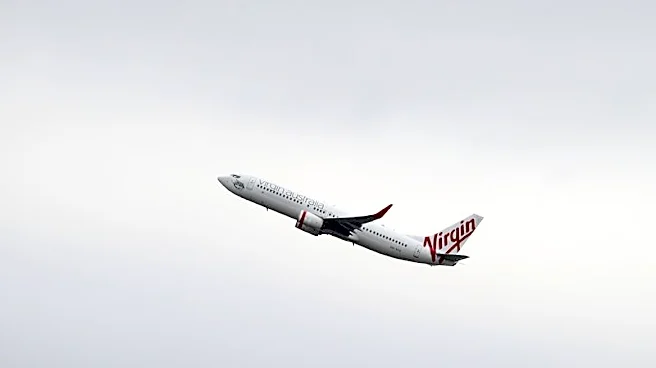
Virgin Australia has announced a reduction in its domestic flight capacity as a response to rising fuel costs, which have been exacerbated by the ongoing crisis in the Middle East. The airline has managed to mitigate some of the financial impact through
strategic hedging, with 92% of its Brent crude oil and 71% of its refining margins hedged for the remainder of the fiscal year. Despite these measures, Virgin Australia anticipates its fuel expenses for the second half of the year to be A$30-40 million higher than initially forecasted. To counterbalance these costs, the airline has increased airfares and adjusted its capacity growth projections. The company now expects a 5% increase in second-half yields, driven by a 6% growth in revenue per available seat kilometer (RASK) for the April-June quarter. Additionally, Virgin Australia has reduced its domestic capacity growth forecast from 2-3% to 1% for the second half of the fiscal year, with a 1% year-on-year decrease in the fourth quarter.
Why It's Important?
The adjustments made by Virgin Australia highlight the broader challenges faced by the airline industry due to fluctuating fuel prices and geopolitical tensions. Rising operational costs can lead to higher ticket prices, potentially affecting consumer demand and travel patterns. The airline's decision to cut capacity and raise fares could influence market dynamics, prompting competitors to reassess their strategies. Furthermore, the situation underscores the importance of effective hedging strategies in managing financial risks associated with volatile fuel prices. The airline's ability to maintain its financial outlook despite these challenges reflects its resilience and strategic planning, which could serve as a model for other carriers navigating similar issues.
What's Next?
Virgin Australia will continue to monitor the situation closely, with its capacity plans for the next financial year remaining under review due to ongoing uncertainties. The airline's services to Doha, operated through a wet-lease arrangement with Qatar Airways, are currently suspended until mid-June, reflecting the broader impact of regional disruptions. As the situation evolves, Virgin Australia may need to further adjust its operational strategies to maintain profitability and market competitiveness. Stakeholders, including investors and consumers, will be watching closely to see how the airline navigates these challenges and whether additional measures will be necessary.