






What's Happening?
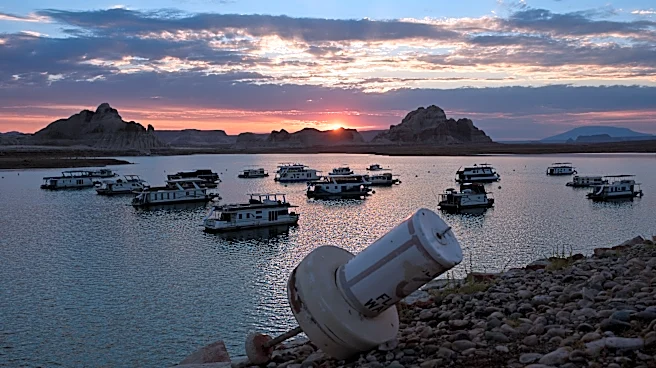
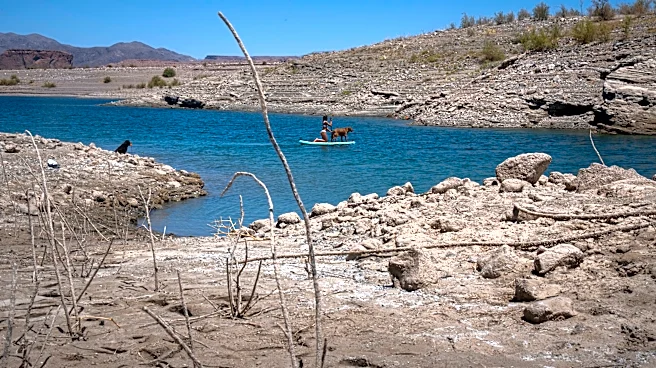
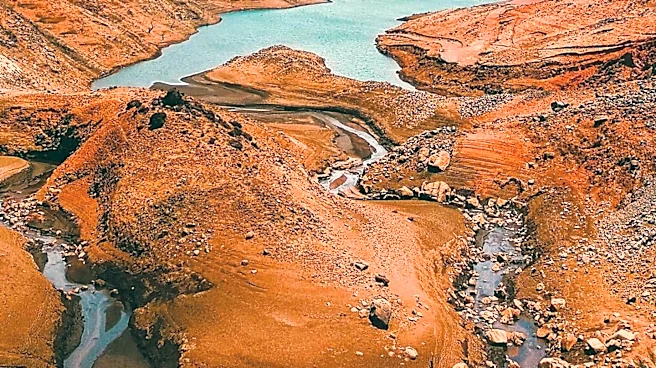
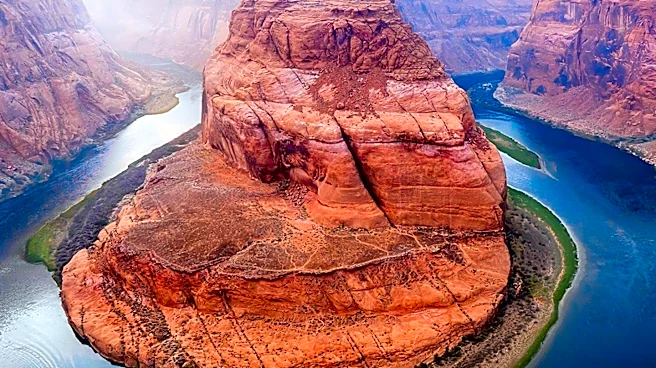
The federal government has released a final environmental impact statement detailing its plan to manage the Colorado River's key reservoirs, including Lakes Mead and Powell, for the next decade. This plan involves significant water cuts for downstream
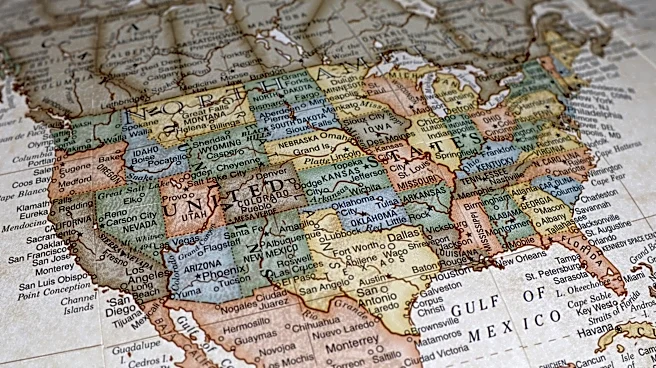
states such as Arizona, California, and Nevada, and sets a conservation target of up to 200,000 acre-feet for the Upper Basin states, including Colorado, New Mexico, Wyoming, and Utah. The report is part of a broader federal environmental review process under the National Environmental Policy Act, which has been ongoing for three years. The plan aims to address the severe drought conditions affecting the river, which supplies water to millions of people across seven states and 30 tribes. The federal government is also negotiating separate international agreements with Mexico regarding water deliveries.
Why It's Important?
The management of the Colorado River is crucial as it affects water supply for millions of Americans and numerous industries. The federal plan seeks to balance flexibility and predictability in water management, which is vital given the unprecedented hydrologic conditions. The plan's implementation could lead to significant economic impacts, particularly in Arizona, which is expected to face the hardest cuts. The ongoing negotiations and the federal government's involvement highlight the complexity of water rights and the need for collaborative solutions among states. The outcome of these plans will have long-term implications for water security and economic stability in the region.
What's Next?
States will need to negotiate specific plans for water cuts and conservation every two years. The federal government will continue to release additional reports to define conservation measures for 2027 and 2028. The states and federal officials will also need to address legal and logistical challenges, such as aligning state water accounting and managing upstream federal reservoirs. The ongoing negotiations with Mexico will also play a critical role in the overall management strategy. Stakeholders, including state governments and water users, will need to adapt to the new framework and work towards consensus-based solutions.