






What's Happening?
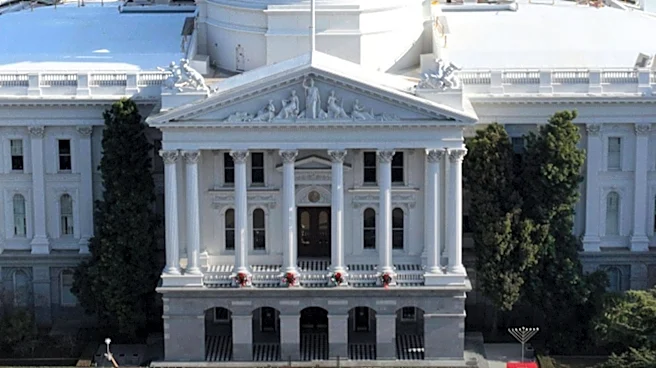
The California legislature is advancing three bills sponsored by Jewish California, aimed at addressing hate speech and promoting cultural inclusion. The first bill, AB 1853, was introduced following the distribution of antisemitic and white nationalist
rhetoric in candidate statements to 23 million voters during the June 2026 Primary. This bill seeks to restrict candidate statements in official voter guides to personal qualifications and records, prohibiting attacks on individuals or groups and external links. It empowers election officials to reject non-compliant statements. The second bill, AB 395, mandates that state agencies, local governments, universities, and schools avoid scheduling significant events on religious or cultural holidays, ensuring inclusivity in civic life. This bill acknowledges a variety of holidays, including Jewish, Muslim, and Hindu observances. The third bill, AB 549, lowers the enrollment age for heritage schools to include transitional kindergarten students, aligning with California's rollout of no-cost transitional kindergarten.
Why It's Important?
These legislative measures are significant as they address the growing concerns over hate speech and the need for cultural sensitivity in public life. By limiting hate speech in official voter guides, AB 1853 aims to foster a more respectful and inclusive political discourse. AB 395's recognition of diverse religious and cultural holidays in scheduling public events reflects a commitment to inclusivity, allowing individuals to participate in civic life without compromising their cultural or religious practices. AB 549's expansion of heritage school enrollment supports early cultural education, promoting diversity and understanding from a young age. These bills collectively represent a proactive approach to fostering a more inclusive and respectful society in California, potentially setting a precedent for other states.
What's Next?
The bills are set to be heard by the California state senate in August. If passed, they will require implementation by various state and local entities, potentially prompting adjustments in how public events are scheduled and how educational programs are structured. Stakeholders, including educational institutions and cultural organizations, may need to adapt to these new requirements. The passage of these bills could also inspire similar legislative efforts in other states, particularly those with diverse populations seeking to balance cultural inclusivity with civic engagement.