
What's Happening?
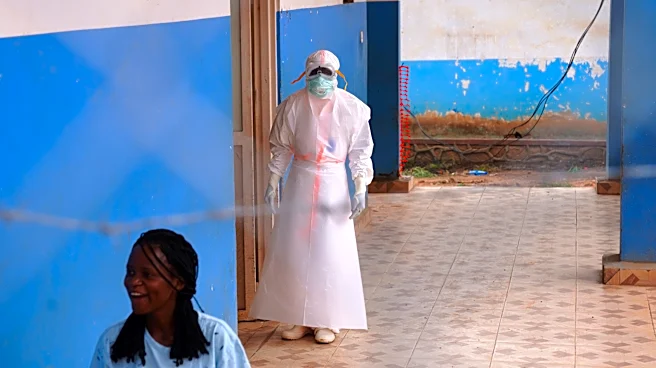
Fourteen U.S. citizens were quarantined at Fort Drum after returning from the Democratic Republic of Congo, a country currently experiencing a dangerous Ebola outbreak. These individuals traveled back
to Canada and attempted to enter the U.S. through Vermont but were stopped by officials. They were then transported to Fort Drum, where they were quarantined in apartment-style housing for four days under the close supervision of the Centers for Disease Control and Prevention (CDC). The CDC monitored them for signs of Ebola, and after determining that none of the individuals were infected, they were released from quarantine. A 'do-not-board' order had been issued earlier, mandating U.S. citizens in Congo to quarantine for at least 21 days before returning by plane.
Why It's Important?
The quarantine of these U.S. citizens underscores the ongoing global health challenges posed by infectious diseases like Ebola. The CDC's involvement highlights the importance of stringent health monitoring and preventive measures to protect public health in the U.S. The situation also reflects the complexities of international travel during outbreaks, where health and safety protocols must be balanced with individual freedoms. The successful containment and monitoring efforts at Fort Drum demonstrate the effectiveness of current health protocols in preventing the spread of infectious diseases within the U.S. This incident serves as a reminder of the need for continued vigilance and preparedness in managing potential health threats.
What's Next?
While the immediate threat has been mitigated with the release of the quarantined individuals, ongoing monitoring and preventive measures remain crucial. The CDC and other health authorities will likely continue to enforce travel restrictions and quarantine protocols for travelers from regions affected by Ebola. Additionally, there may be increased efforts to educate the public about the risks associated with travel to outbreak regions and the importance of adhering to health advisories. The situation may also prompt further discussions on improving international cooperation and response strategies to manage future outbreaks effectively.