




What's Happening?
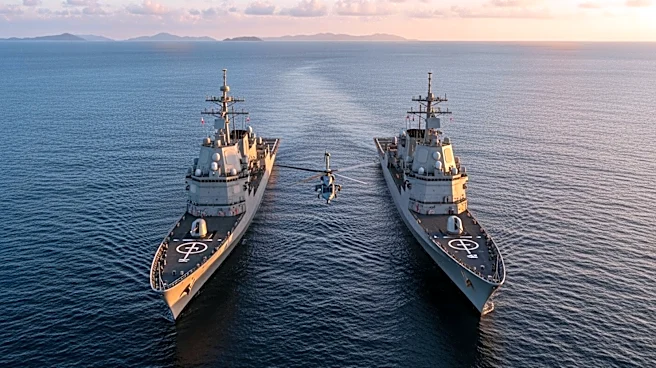
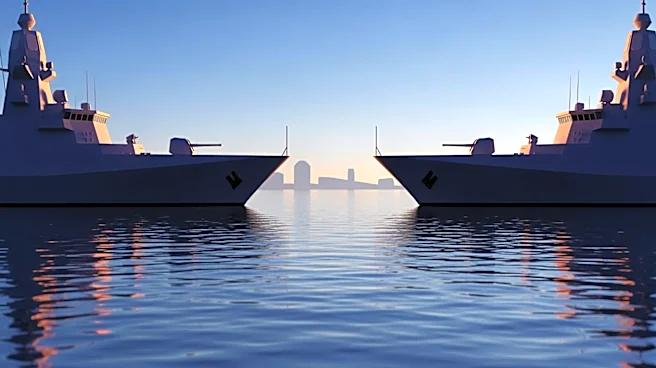
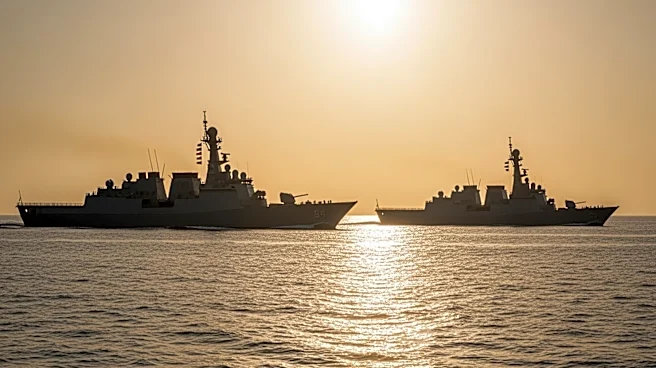
Australia has signed contracts for the construction of its first three Mogami-class frigates, marking a significant step in the Royal Australian Navy's surface combatant renewal program. The contracts were finalized with Japan's Mitsubishi Heavy Industries,
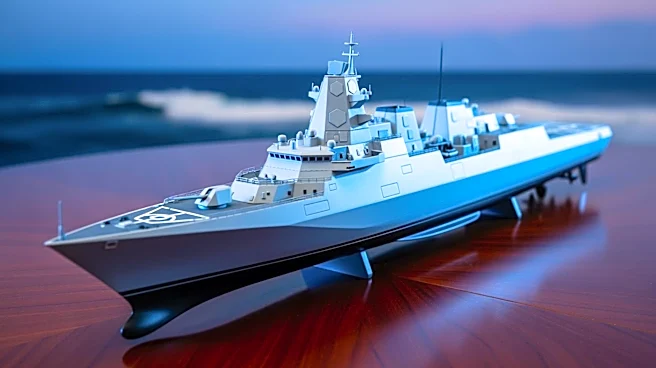
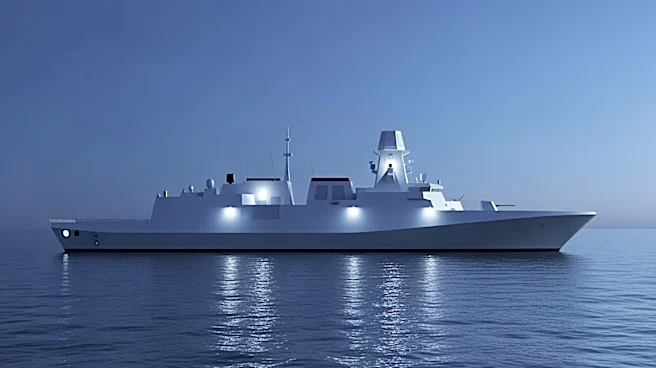
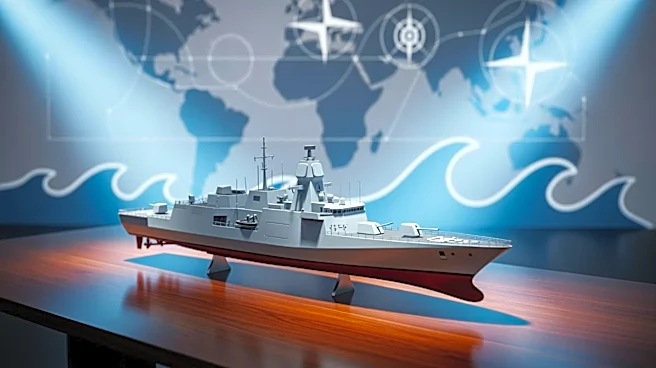
and the frigates are based on an upgraded version of the Japan Maritime Self-Defense Force's Mogami-class design. The first three ships will be built in Japan, with future vessels planned for construction in Western Australia. These frigates will feature a 32-cell vertical launch system and will be equipped with surface-to-air and anti-ship missiles, as well as the capability to operate the MH-60R Seahawk maritime combat helicopter.
Why It's Important?
The acquisition of Mogami-class frigates represents a strategic enhancement of Australia's naval capabilities, aligning with its broader defense modernization efforts. This move is crucial for maintaining regional security and addressing potential maritime threats. The integration of advanced missile systems and helicopter operations will significantly boost the Royal Australian Navy's operational flexibility and combat readiness. The decision to build subsequent ships in Australia also supports domestic defense industry growth and job creation, contributing to the local economy. This development reflects Australia's commitment to strengthening its defense partnerships, particularly with Japan, amid evolving geopolitical dynamics in the Indo-Pacific region.
What's Next?
The construction of the first three frigates in Japan is set to commence, with a focus on ensuring timely delivery and integration into the Royal Australian Navy. The subsequent construction of additional vessels in Western Australia will depend on the consolidation of the Henderson Defence Precinct. This project will require close collaboration between Australian and Japanese defense industries to ensure technology transfer and capability development. The Australian government will likely continue to assess its defense needs and explore further opportunities for international collaboration to enhance its maritime security posture.