






What's Happening?
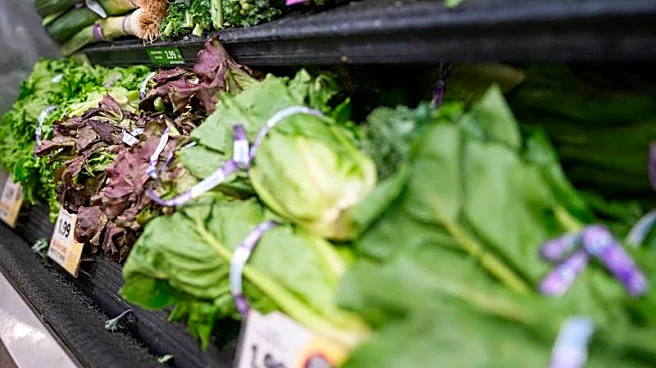
Michigan is experiencing a significant outbreak of cyclosporiasis, a parasitic infection causing severe gastrointestinal symptoms, with over 10,700 cases reported. The outbreak, linked to contaminated lettuce from Taylor Farms, has led to nearly 200 hospitalizations.
While the number of new cases appears to be declining, Michigan remains the hardest-hit state in the U.S. The Centers for Disease Control and Prevention (CDC) has reported nearly 18,000 cases nationwide, with Michigan accounting for a substantial portion. The outbreak has prompted a recall of lettuce distributed by Taylor Farms, although the FDA has noted that initial tests linking the outbreak to the supplier were false positives.
Why It's Important?
This outbreak highlights the vulnerabilities in the food supply chain and the challenges of managing foodborne illnesses. The widespread impact on public health underscores the need for stringent safety protocols and rapid response mechanisms to prevent and control such outbreaks. The situation also raises concerns about the reliability of testing methods and the importance of accurate data in public health responses. The economic implications for the affected businesses, particularly those in the food industry, are significant, as recalls and loss of consumer confidence can have lasting effects.
What's Next?
Public health officials are likely to continue monitoring the situation closely, with potential adjustments to food safety regulations and testing protocols. The outbreak may lead to increased scrutiny of food suppliers and distributors, particularly those involved in large-scale operations. Consumers may also become more cautious about food safety, influencing purchasing behaviors and demand for transparency in food sourcing. The incident could prompt legislative or regulatory changes aimed at improving food safety standards and preventing future outbreaks.