



What's Happening?
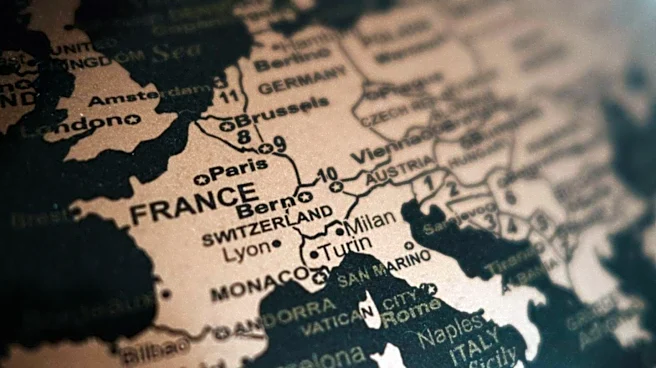
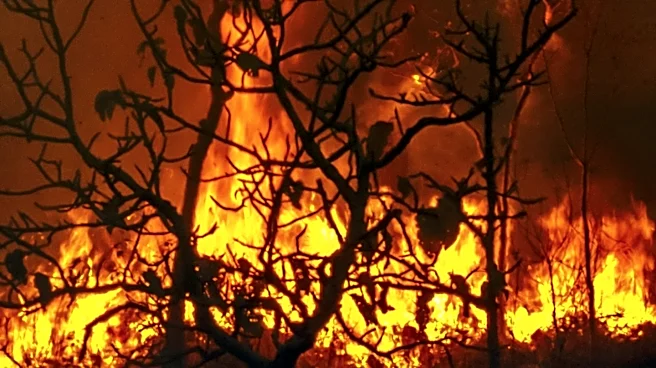
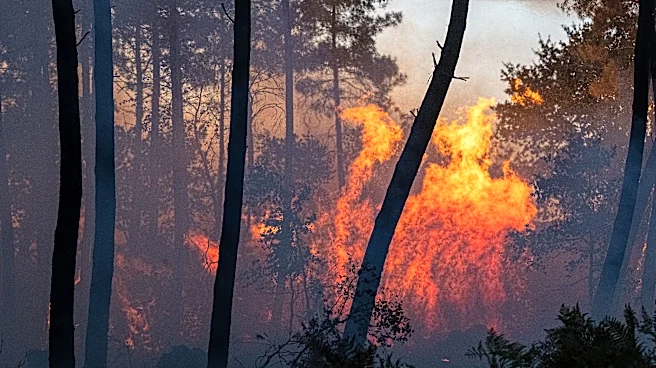
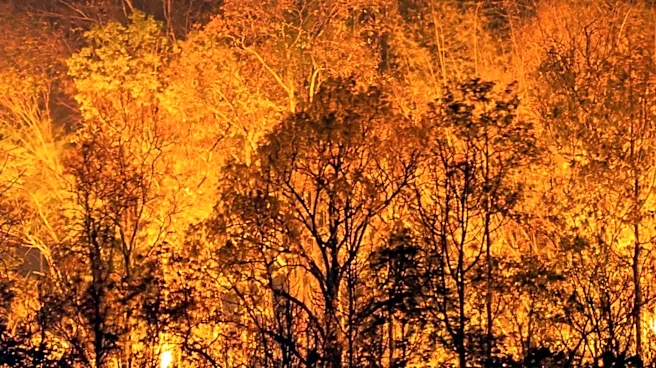
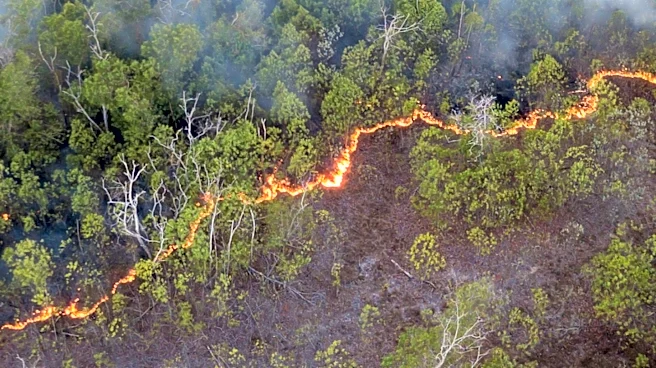
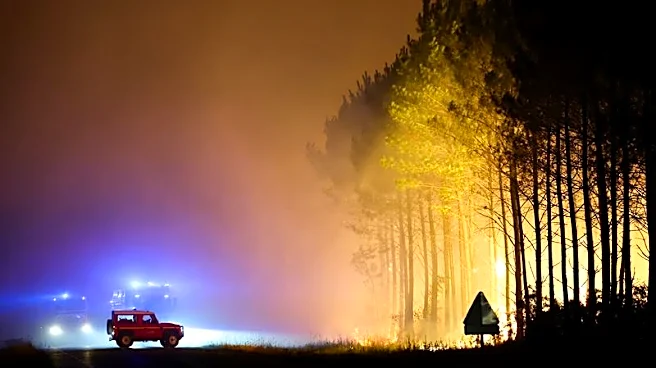
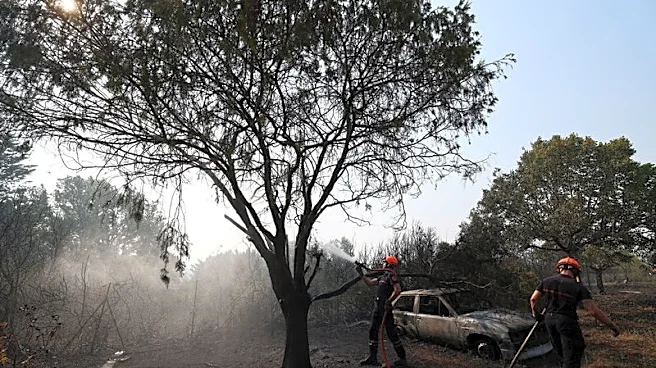
The World Health Organization (WHO) has reported a 57% increase in wildfires across Europe over the past four years, with significant health impacts. This summer, countries like France, Germany, Greece, Spain, and Portugal have experienced numerous wildfires,
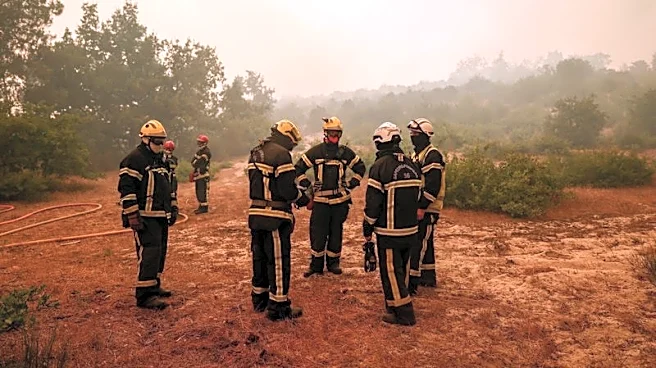
resulting in fatalities among firefighters and widespread environmental damage. The fires have emitted over 8.31 million tonnes of CO2 this year alone. WHO Europe has highlighted the health risks associated with wildfire smoke, which can travel long distances and worsen respiratory and heart conditions, particularly affecting vulnerable populations such as the elderly, children, and those with chronic diseases.
Why It's Important?
The increase in wildfires and their associated health risks underscore the urgent need for comprehensive climate action and public health preparedness. The situation highlights the broader implications of climate change, as rising temperatures contribute to more frequent and intense wildfires. The health impacts extend beyond immediate fire zones, affecting air quality and public health across regions. This development calls for coordinated efforts by governments to implement effective wildfire management strategies and provide timely health advisories to protect affected populations.
What's Next?
Governments in Europe are expected to enhance their wildfire response strategies, including improving air quality monitoring and issuing health advisories. The WHO has called for better preparedness and public awareness campaigns to mitigate health risks. As climate change continues to drive extreme weather events, there will likely be increased focus on developing sustainable solutions to reduce wildfire occurrences and their impacts.