





What's Happening?
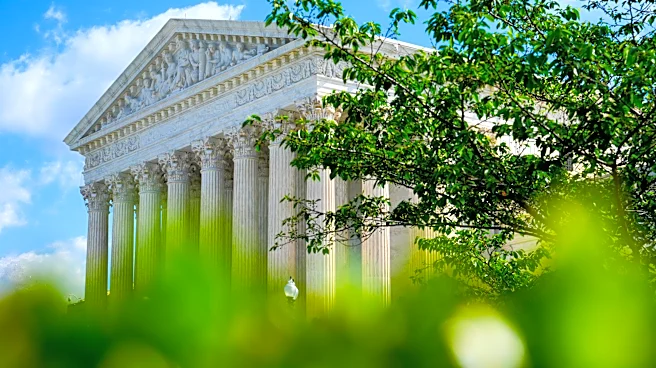
The U.S. Supreme Court is currently deliberating on the legality of geofence warrants, a digital surveillance tool used by law enforcement to collect location data from cellphones near crime scenes. This case, involving Okello Chatrie, who pleaded guilty
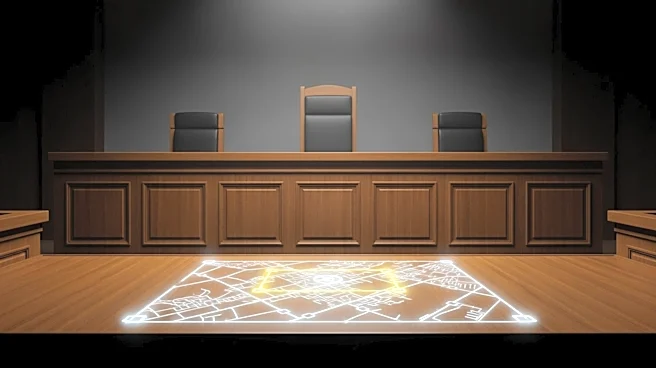
to a 2019 bank robbery in Virginia, could significantly impact how police utilize location data across the nation. Geofence warrants create a virtual boundary around a specific area and require technology companies, like Google, to identify cellphones present during a specified time. The justices appeared to lean towards allowing these warrants, despite arguments that they may violate the Fourth Amendment due to their broad nature. The decision, expected later this term, will address whether such warrants can continue to be used nationwide.
Why It's Important?
The outcome of this case holds substantial implications for privacy rights and law enforcement practices in the U.S. If the Supreme Court rules in favor of geofence warrants, it would endorse a tool already widely used by police to identify suspects when other leads are unavailable. However, civil liberties groups argue that these warrants infringe on privacy by collecting data from individuals who are not suspects but merely present near a crime scene. This decision could set a precedent for how digital surveillance tools are balanced with constitutional rights, affecting both privacy advocates and law enforcement agencies.
What's Next?
The Supreme Court's ruling on geofence warrants is anticipated later this term. Depending on the outcome, there may be further legal challenges or legislative actions to address privacy concerns associated with digital surveillance. Additionally, the decision could influence ongoing debates over similar tools, such as reverse keyword search warrants, which also raise Fourth Amendment questions. Stakeholders, including civil liberties organizations and law enforcement agencies, will likely respond to the ruling, potentially leading to new guidelines or restrictions on the use of such technology.
Beyond the Headlines
The broader implications of this case extend to the evolving relationship between technology and privacy rights. As digital tools become more integrated into law enforcement, the legal system must continually adapt to ensure that constitutional protections keep pace with technological advancements. This case highlights the tension between public safety and individual privacy, a dynamic that will likely persist as new surveillance technologies emerge.