


What's Happening?
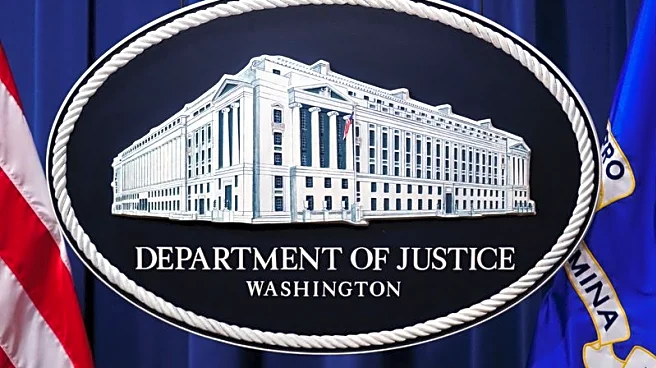
Yih-Shyan 'Wally' Liaw, a co-founder of Super Micro, along with two accomplices, has been arrested by U.S. authorities for allegedly smuggling graphics processing units (GPUs) intended for artificial intelligence (AI) acceleration to China. The U.S. Department
of Justice has charged Liaw, a U.S. citizen and senior vice president of business development at Super Micro, with violating American export control laws. The indictment accuses Liaw, along with Ruei-Tsang 'Steven' Chang and Ting-Wei 'Willy' Sun, of orchestrating a scheme to divert billions of dollars worth of servers containing export-controlled GPUs to China. The servers were reportedly assembled in the U.S. and shipped to Taiwan before being repackaged and sent to China. The U.S. alleges that the defendants used false documentation and staged dummy servers to mislead inspectors. Super Micro has stated that it is cooperating with the investigation and is not named as a defendant in the case.
Why It's Important?
This case highlights the ongoing tensions between the U.S. and China over technology transfer and export controls. The alleged smuggling of AI technology to China could have significant implications for U.S. national security and its technological edge. The U.S. government has been increasingly vigilant about preventing the transfer of sensitive technologies to China, which it views as a strategic competitor. The arrest of a high-profile executive like Liaw underscores the seriousness with which the U.S. is treating these violations. For Super Micro, the case could impact its reputation and business operations, especially if further investigations reveal systemic compliance issues. The broader tech industry may also face increased scrutiny and tighter regulations as a result of this case.
What's Next?
The legal proceedings against Liaw and his accomplices will likely unfold over the coming months, with potential implications for U.S.-China relations. If convicted, the defendants face significant prison time under the U.S. Export Control Reform Act. The case may prompt other tech companies to review their compliance with export control laws to avoid similar legal challenges. Additionally, the U.S. government may consider further tightening export controls on AI and other sensitive technologies to prevent future violations. The outcome of this case could also influence future policy decisions regarding technology exports and international trade relations.