



What's Happening?
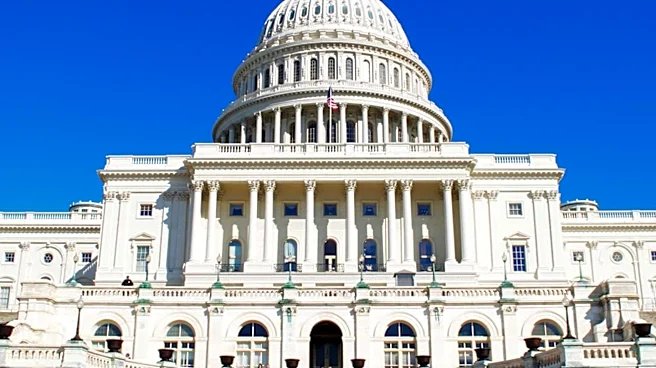
Senator Mazie K. Hirono has introduced the Protect American Values Act of 2026, a legislative proposal aimed at preventing the use of federal funds to enforce a specific Department of Homeland Security (DHS) rule known as the 'Public Charge Ground of Inadmissibility.'
This rule, as it stands, could discourage immigrants and their families from accessing essential services such as food, medical, or housing assistance, potentially affecting their eligibility for lawful permanent resident status. The bill, which currently has 15 cosponsors, seeks to cut off funding for the implementation, administration, and enforcement of this rule, as well as any related guidance or policy documents. The bill emphasizes the importance of immigrants and their families to the country and argues that access to health and support programs is crucial for their stability and self-sufficiency.
Why It's Important?
The introduction of this bill is significant as it addresses concerns about the potential negative impacts of the DHS rule on immigrant communities. By blocking federal funding for the rule, the bill aims to prevent the creation of barriers that could limit access to essential services for immigrants, thereby supporting their integration and stability in the U.S. The bill also highlights broader implications for public health and local economies, as reduced access to services could have ripple effects on these areas. If passed, the legislation could set a precedent for how immigration-related policies are funded and enforced, potentially influencing future legislative and administrative actions.
What's Next?
If the Protect American Values Act of 2026 gains traction, it could lead to significant changes in how immigration policies are implemented in the U.S. The bill's progress will likely be closely monitored by immigrant advocacy groups, policymakers, and other stakeholders. Should the bill pass, it may prompt further legislative efforts to address other aspects of immigration policy and funding. Additionally, the bill could face opposition from those who support the DHS rule, leading to potential debates and negotiations in Congress.